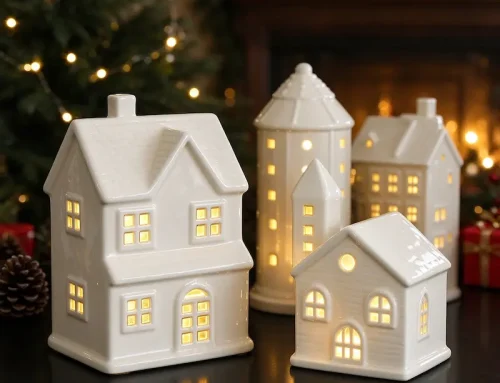
Introduction
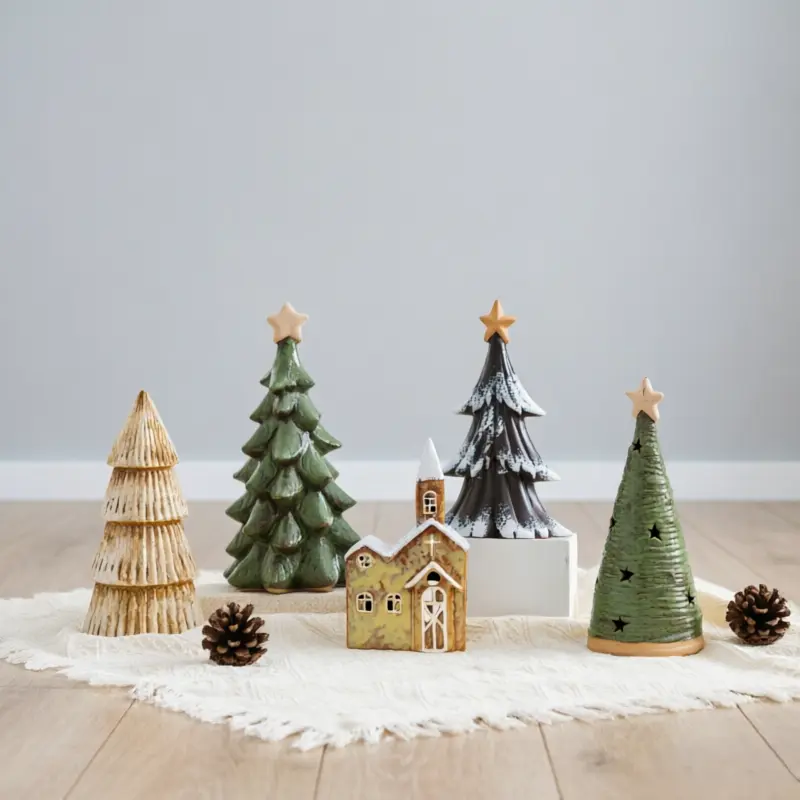 Christmas decorations are an important part of seasonal retail, and ceramic ornaments continue to attract customers looking for products that combine decorative appeal with lasting value. Among the many options available, ceramic Christmas tree tabletop decoration has become a versatile category for gift shops, home décor retailers, department stores and seasonal collections.
From nostalgic designs inspired by traditional holiday ornaments to understated pieces suited to contemporary interiors, ceramic Christmas trees offer retailers plenty of opportunities to create distinctive product ranges. Light-up designs add another dimension, bringing a warm festive glow to shelves, mantelpieces, dining tables and window displays.
Two styles are particularly useful when planning a balanced holiday collection: vintage ceramic Christmas trees and minimalist ceramic Christmas trees. Vintage designs appeal to customers who love traditional Christmas colours, colourful lights and nostalgic details. Minimalist versions suit shoppers who prefer neutral colours, simple silhouettes and understated seasonal decoration.
This guide explores the key design trends, colour choices, finishes and merchandising ideas that retailers can consider when developing their Christmas collections.
1. Why Ceramic Christmas Tree Tabletop Decorations Remain Popular
A well-designed ceramic Christmas tree tabletop decoration can serve as a small decorative accent, a seasonal centrepiece or a thoughtful Christmas gift. Unlike larger artificial trees, tabletop versions fit comfortably into compact living spaces and can be displayed in different areas of the home.
Ceramic is also a versatile material for decorative products. It can be shaped into traditional evergreen silhouettes, stylised geometric trees or sculptural forms with distinctive surface details. Glazes and decorative techniques further expand the design possibilities, allowing brands to create products with very different visual identities.
Light-up ceramic trees have a particularly strong decorative function. When illuminated, they combine the visual appeal of a ceramic ornament with the ambience of soft seasonal lighting. Depending on the design, small lights may appear through decorative openings, coloured inserts or individual bulb-shaped details.
For retailers, offering several styles can help attract customers with different tastes. Traditional shoppers may prefer green trees with colourful lights, while modern home décor buyers may choose white, beige or softly textured designs. A coordinated range can serve both groups without making the overall collection feel inconsistent.
2. Vintage Ceramic Christmas Trees: Nostalgia Meets Holiday Tradition
Vintage-inspired Christmas décor brings a sense of familiarity and warmth to seasonal displays. Its appeal often comes from recognisable shapes, traditional colours and decorative details associated with Christmas celebrations of earlier decades.
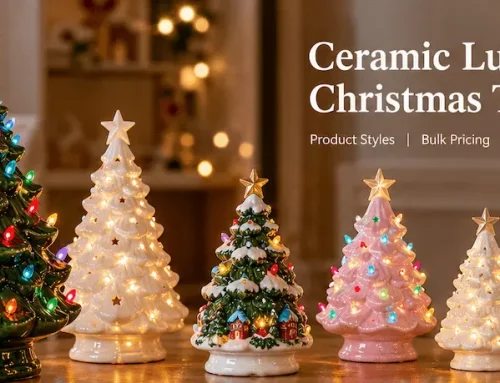
A vintage ceramic luminous Christmas tree can become a focal point in a festive display, particularly when its design includes colourful lights, a classic tree silhouette and a glossy glaze. These details create a nostalgic look that works well in traditional interiors, gift shops and collections inspired by retro holiday styling.
Classic Shapes and Colourful Light-Up Details
Vintage ceramic trees often feature tiered branches, rounded tips and a tapered silhouette. Some designs include small coloured bulbs arranged across the branches, while others use illuminated openings to create a soft glow.
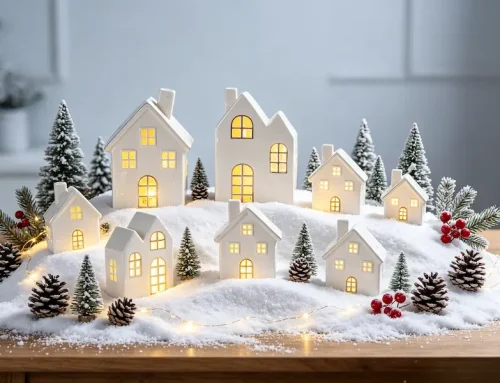
These details help establish a recognisable vintage appearance. A retro ceramic lighted Christmas tree can also be styled with other nostalgic decorations, such as miniature houses, traditional ornaments and patterned gift boxes.
Retailers can use different heights to create layered displays. A small tree may suit a side table or gift assortment, while a larger tabletop design can anchor a mantelpiece or seasonal window display.
Traditional Green, Snowy White and Retro Pastels
Colour is central to vintage styling. Green remains a familiar choice because it reflects the appearance of a traditional evergreen tree. A classic green ceramic lighted Christmas tree can be paired with red, gold and warm white accents to create a timeless holiday palette.
Other vintage-inspired options include soft pink, pale blue, creamy white and muted turquoise. These colours can make a collection feel playful without losing its connection to traditional Christmas décor.
Glossy finishes are often suitable for this style because they emphasise colour and reflect decorative lighting. Hand-painted details or contrasting light covers can add further character, provided the overall design remains visually balanced.
Why Vintage Designs Appeal to Gift and Home Décor Buyers
Vintage ceramic trees work well for customers who enjoy collecting seasonal decorations or recreating familiar holiday traditions. Their distinctive appearance can also make them attractive gift items.
For retailers, the key is to offer a clear design identity rather than too many unrelated variations. A coordinated range of green trees, colourful lights and complementary ornaments can create a stronger display than a collection of products with no common theme.
3. Minimalist Ceramic Christmas Trees for Modern Interiors
While vintage designs celebrate nostalgia, minimalist ceramic trees focus on shape, proportion and surface finish. They offer a quieter interpretation of Christmas décor and can blend into interiors throughout the holiday season.
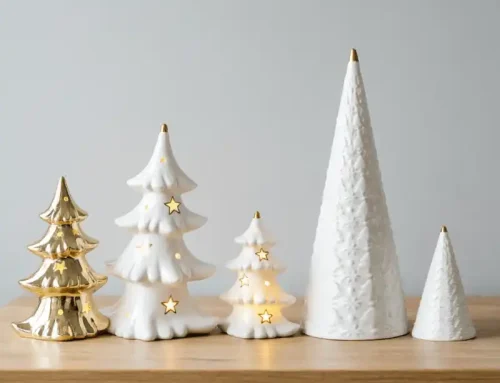
A white ceramic luminous Christmas tree is a useful example of this approach. Its simple colour allows the silhouette and lighting to become the main features, making it suitable for contemporary homes, neutral gift collections and modern retail displays.
Simple Silhouettes and Clean Geometric Forms
Minimalist trees may feature smooth conical shapes, simplified branches or sculptural outlines with very little surface decoration. Some have a clearly defined evergreen silhouette, while others reduce the tree to a sequence of clean geometric tiers.
These designs can be particularly effective in small spaces because they provide a festive accent without overwhelming the surrounding décor.
A simple ceramic Christmas tree tabletop decoration can also be displayed in groups. Combining different heights within the same design family creates visual interest while preserving a clean, organised appearance.
Neutral Colours for Contemporary Holiday Styling
White, ivory, beige and soft grey are useful colours for minimalist collections. They work with natural wood, stone, linen and other neutral interior materials.
A white ceramic luminous Christmas tree can be paired with warm white lighting for a gentle festive effect. Matte or satin finishes may create a softer appearance than high-gloss surfaces, although the best option depends on the intended design.
For retailers, neutral colours also provide flexibility. They can be included in Christmas displays without clashing with existing home décor, and they may appeal to customers who prefer subtle seasonal accents over bright traditional decorations.
Matte, Satin and Textured Finishes
Surface finish can significantly change the appearance of a ceramic tree, even when the basic shape remains the same.
- Matte glaze: Creates a restrained, contemporary look.
- Satin glaze: Offers a gentle sheen without an overly reflective surface.
- Gloss glaze: Adds brightness and emphasises the contours of the product.
- Subtle texture: Introduces visual depth while maintaining a minimalist design.
A well-planned collection does not need to use every finish. Selecting one or two complementary surfaces can help create a more consistent retail presentation.
4. Emerging Design Directions Beyond Vintage and Minimalism
Vintage and minimalist styles provide a strong starting point, but retailers can also explore other design directions to give their seasonal collections more variety.
Rustic and Nature-Inspired Ceramic Trees
Nature-inspired designs may use earthy colours, organic contours and subtle surface textures. Warm white, moss green, sand and muted brown can work well in rustic or woodland-themed Christmas collections.
These designs can be paired with wooden ornaments, natural-fibre accessories and understated packaging to create a cohesive display.
Contemporary Colours and Unexpected Finishes
Some customers look for Christmas decorations that feel different from traditional red and green. Muted terracotta, dusty blue, deep burgundy and soft metallic accents can introduce variety without making the collection feel overly bright.
The goal is to use colour with a clear purpose. A distinctive glaze can help a product stand out, but it should still complement the overall collection.
Small Sculptural Trees and Coordinated Sets
Smaller ceramic trees are useful for decorating bookshelves, desks, bedside tables and compact apartments. Offering a selection of heights or related shapes can encourage customers to display several pieces together.
For retailers, coordinated sets also create opportunities to merchandise products as a collection rather than as isolated ornaments. A group of three trees in complementary colours, for example, can provide a ready-made decorative arrangement.
5. How Holiday Retailers Can Build a Balanced Ceramic Christmas Tree Collection
A successful seasonal collection does not need to follow a single design trend. Combining a few carefully selected styles can help retailers serve different customer preferences while maintaining a clear visual identity.
Combine Vintage and Minimalist Styles
A collection could include a traditional green tree with colourful lights, a white sculptural tree and a smaller neutral design. Each product serves a different aesthetic, but the range remains focused on the same seasonal theme.
Retailers should consider their target customers and store presentation before choosing the balance between styles. A traditional gift shop may prioritise nostalgic designs, while a contemporary home décor retailer may focus more heavily on neutral finishes.
Offer Different Sizes and Display Options
Size affects where a product can be displayed and how customers use it. Smaller trees are suitable for desks, shelves and gift sets, while larger tabletop designs may work better as focal points.
When choosing a ceramic Christmas tree tabletop decoration, retailers should consider the intended display area, product proportions and how several pieces will look together.
Coordinate Colours Across the Collection
A consistent colour palette can make a seasonal display feel more professional. Vintage green, warm white and gold create a traditional mood, while ivory, beige and soft grey support a minimalist presentation.
A retailer can also introduce one accent colour to connect the two styles. For example, a small amount of burgundy or muted green may help link a neutral tree with a more traditional design.
Use Displays to Communicate the Style
Product presentation helps customers understand how a decoration might look in their own homes. Vintage trees can be displayed with nostalgic ornaments and warm lighting, while minimalist pieces may look best against neutral backgrounds with simple accessories.
Retailers looking for additional seasonal product ideas can explore the Ceramic Decoration Collection for inspiration when planning complementary ceramic décor ranges.
6. Customisation Ideas for Private-Label Holiday Collections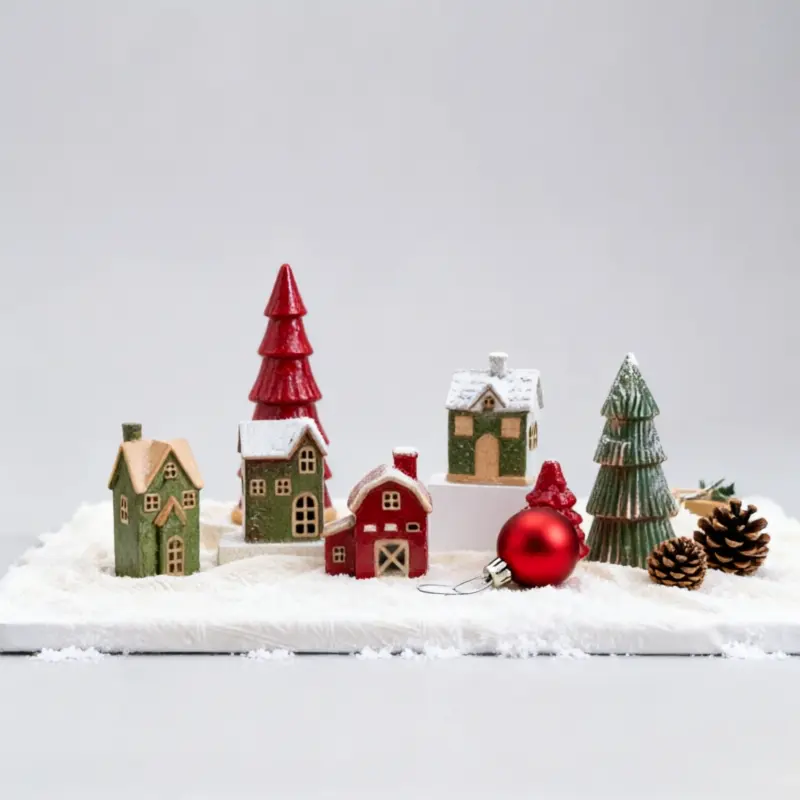
For brands that want to develop a recognisable seasonal identity, customisation can help distinguish a collection from standard decorative products. The aim is not simply to change the colour of a tree, but to create a design that reflects the brand’s overall style.
Adjust Shapes, Heights and Decorative Details
A traditional tree can be developed with fuller branches, rounded tips or a more compact silhouette. A minimalist version may use a smoother outline and fewer decorative details.
Changes to proportions, openings and surface features should be assessed for technical feasibility before a design moves into sample development.
Select Glaze Colours and Surface Finishes
Colour and finish are important parts of a private-label collection. A brand may choose a signature green for its vintage range or a particular ivory tone for a contemporary collection.
Ceramic colours can vary during firing, so physical samples are useful when assessing the final appearance. This is particularly important when a collection depends on a specific glaze tone or a close match between several products.
Add Branding and Coordinated Packaging
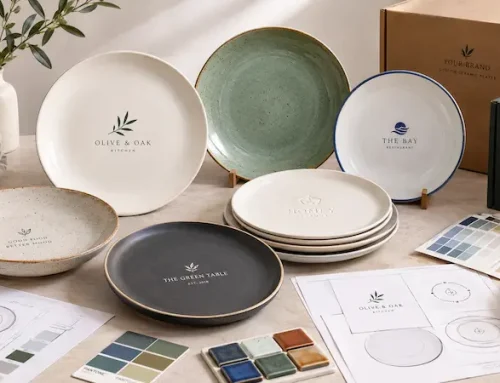
Brand identity can be expressed through packaging, product labels and coordinated design details. For gift-focused retail, protective packaging can also support presentation and help reduce the risk of damage during handling.
The branding should complement the product rather than compete with its decorative features. For example, a minimalist tree may benefit from simple packaging, while a vintage-inspired design may suit a more traditional seasonal presentation.
Brands interested in developing their own ceramic holiday products can learn more about the custom ceramics service, including options for product customisation and private-label development.
7. Practical Considerations When Selecting Ceramic Tabletop Decorations
Visual appeal is important, but a decorative product should also be suitable for its intended use.
Size and stability: Check the base dimensions and overall proportions, especially for taller trees intended for shelves or narrow display surfaces.
Glaze consistency: Review colour, surface coverage and visible decorative details across samples. A consistent finish helps the collection look cohesive when several products are displayed together.
Lighting components: For light-up designs, consider the placement of the light source, ease of operation and the intended power arrangement. Product specifications should clearly describe the lighting components and any relevant usage requirements.
Packaging protection: Ceramic products can chip or break if they move excessively during transport. Packaging should be designed around the product’s shape and fragile areas.
Sample approval: When developing a customised design, review the sample before confirming production. This allows the buyer to assess proportions, colour, finish and lighting appearance in the actual product.
These practical checks support a better overall retail experience without taking attention away from the creative direction of the collection.
8. Conclusion: Turning Christmas Tree Trends into a Distinctive Retail Collection
The appeal of ceramic Christmas tree tabletop decoration lies in its versatility. Vintage designs offer nostalgia, colourful details and a strong connection to traditional holiday styling, while minimalist trees provide clean shapes, neutral colours and a more contemporary interpretation of Christmas décor.
For holiday retailers, the opportunity is to choose styles that reflect their customers and present them as a coherent collection. A classic green ceramic lighted Christmas tree may suit a traditional gift range, while a white ceramic luminous Christmas tree can complement modern interiors. Combining these styles thoughtfully can add variety without losing a clear seasonal identity.
Homey Ceramic supports B2B buyers exploring ceramic home décor and customised product development. Visit Homey Ceramic to learn more about its product range and discuss ideas for your next seasonal collection.
Frequently Asked Questions
What are the most popular styles of ceramic Christmas tree tabletop decorations?
Popular options include vintage trees with colourful lights, traditional green designs, white minimalist trees and contemporary styles with neutral glazes. The most suitable choice depends on the retailer’s target customers and overall holiday collection.
What is the difference between vintage and minimalist ceramic Christmas trees?
Vintage ceramic trees usually feature traditional silhouettes, glossy finishes and colourful decorative lights. Minimalist versions focus on simple shapes, restrained colours and subtle surface finishes that work well in contemporary interiors.
Can ceramic Christmas tree decorations be customised for private-label brands?
Customisation may include changes to shape, size, glaze colour, surface details, branding and packaging. The available options depend on the product design, production requirements and order specifications.
How can retailers display ceramic Christmas trees in a holiday collection?
Retailers can group trees by colour, height or design style. Vintage pieces work well with traditional festive accessories, while minimalist trees can be presented against neutral backgrounds. Combining different heights can create a layered display that attracts attention without appearing cluttered.