What Is Ceramic Glaze?
Ceramic glaze is a coating applied to ceramic products that creates a smooth, decorative, and often functional surface. It not only enhances the aesthetic appeal of the item but also serves practical purposes, such as making ceramics waterproof, heat-resistant, and durable. Whether you’re admiring a glossy vase, a matte dinner plate, or a colourful coffee mug, glaze is what transforms a plain ceramic body into a stunning masterpiece.This article will tell you how to apply ceramic glaze.
Importance of Glaze in Ceramics
Glaze is essential to ceramics for several reasons:
- Visual Appeal: It adds colour, texture, and sheen to the product, creating designs that range from simple elegance to intricate artistry.
- Durability: Glazing helps protect the ceramic surface from scratches, stains, and wear.
- Functionality: It ensures food safety for tableware by creating a non-porous, hygienic surface.
- Customisation: Glazing enables manufacturers to create unique finishes tailored to specific markets or customer needs.
Common Classification of Ceramic Glazes
Ceramic glazes can be classified based on finish, transparency, material composition, and function. For a detailed exploration, check out our blog: What Are The Ceramic Glazes Suitable for Tableware?.
The Process of Making Ceramic Glaze
-
Preparing the Ceramic Body
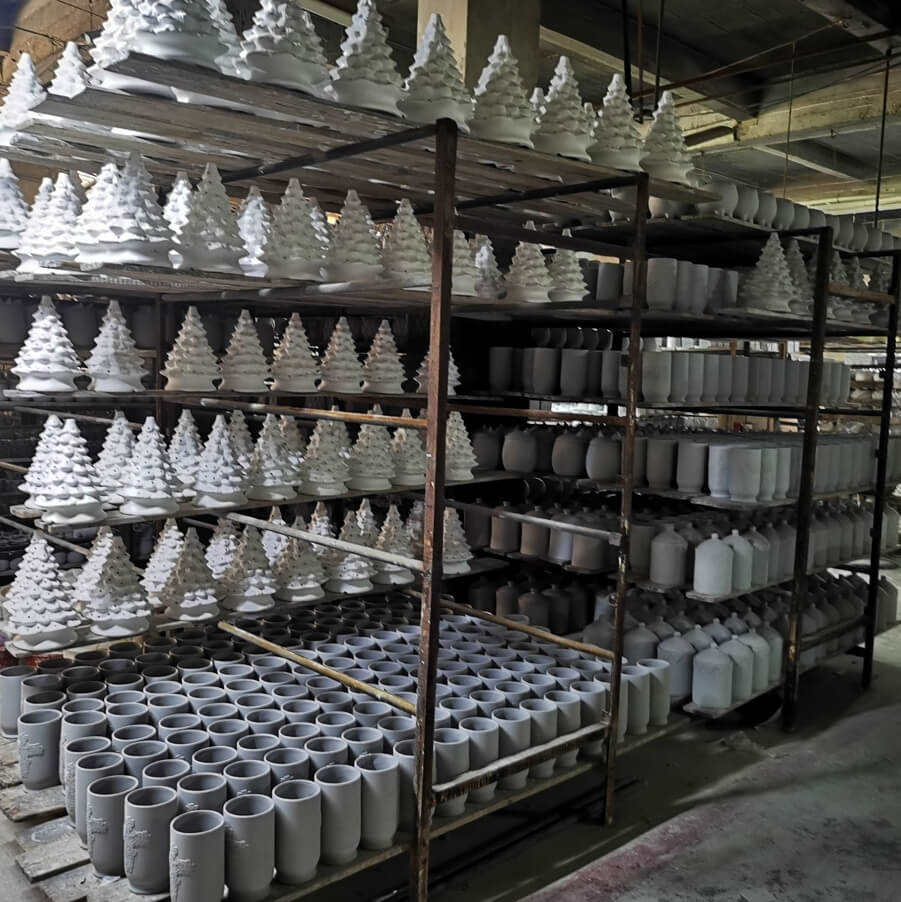
Before any glaze can be applied, it is essential to ensure that the ceramic piece is properly prepared. This foundational step sets the stage for a flawless glaze application that results in a durable and visually appealing finish.
- Cleaning and Smoothing: The surface of the ceramic piece must be thoroughly cleaned to remove any dust, debris, or imperfections left over from the forming process. Any residual particles can interfere with the glaze’s adherence, causing uneven coverage or defects in the final finish. Additionally, smoothing the surface of the ceramic helps eliminate any rough spots, fingerprints, or tool marks. A smooth surface allows the glaze to flow evenly, providing a more professional and uniform finish.
- Applying a Base Coat or Primer: In certain instances, a base coat or primer may be applied to the ceramic piece before the glaze is added. This step can be especially beneficial for porous clay bodies, where the glaze may not adhere properly without the additional layer. The base coat not only helps the glaze stick better but can also enhance the vibrancy and depth of the colours. It acts as a foundation that prepares the piece for the subsequent glaze layers, ensuring a smooth and even application.
-
Types of Glaze Application Methods
Once the ceramic body is prepared, the next step is applying the glaze. The method chosen can dramatically influence the texture, finish, and overall aesthetics of the final piece. Here’s a look at some of the most common glaze application techniques, each offering distinct results:
-
Dipping
Dipping is one of the simplest and most efficient ways to apply glaze. The ceramic piece is briefly submerged in a glaze solution, ensuring an even and consistent coating. This technique is particularly advantageous for mass-produced items where speed and uniformity are key. It creates a smooth and glossy finish, making it ideal for functional pieces like plates, mugs, or bowls.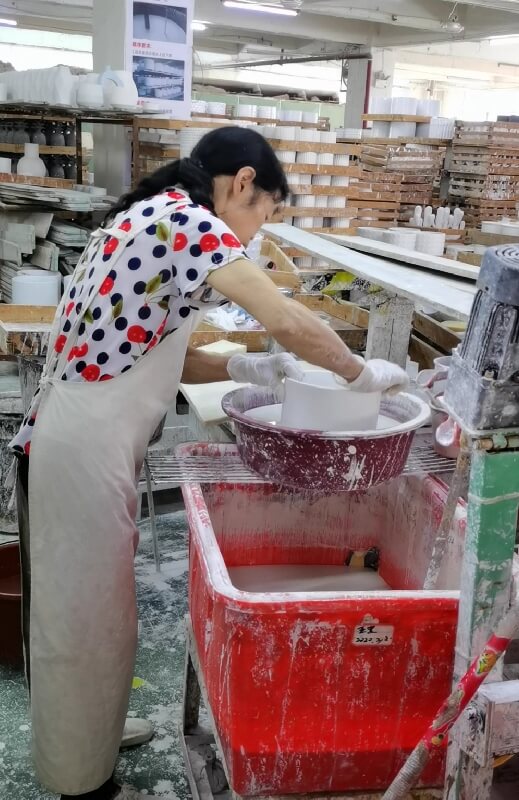
- Brushing
Brushing provides a versatile and artistic approach to glazing. A brush is used to apply the glaze, offering complete control over coverage and allowing for intricate designs, patterns, or personalised details. This method is popular for handmade or one-of-a-kind ceramics. Artists can apply multiple layers to achieve textured or layered finishes, adding depth and character to their work.
-
Spraying
Spraying involves using a spray gun to apply a fine mist of glaze onto the ceramic surface. This method is excellent for achieving a smooth, even layer without visible brushstrokes. It is particularly suitable for covering large or complex shapes where dipping may not be practical. Spraying also enables the use of multiple colours, making it a favourite for creating subtle gradients or sophisticated finishes.
-
Pouring
Pouring is a go-to technique for larger pieces like vases, platters, or bowls. The glaze is poured over the surface, allowing it to flow and coat the piece naturally. Artists can tilt or rotate the item to control the glaze’s movement, resulting in unique patterns and textures. This method is perfect for achieving an organic, flowing appearance often seen in functional or decorative pottery.
By understanding and mastering these glaze application methods, ceramicists can enhance the beauty and functionality of their creations, tailoring each piece to their artistic vision.
-
Firing and Its Significance in the Glazing Process
Firing is arguably the most crucial step in the glazing process. It is in the kiln where the glaze truly transforms, and it is essential that the piece is fired at the correct temperature to achieve the desired results.
- Role of Kiln Temperature: The kiln temperature plays a pivotal role in ensuring that the glaze adheres properly to the ceramic body. Different types of glaze require different firing temperatures, which typically range from 1,000°F (537°C) to 2,400°F (1,315°C), depending on the glaze composition and the clay body used. If the temperature is too low, the glaze may not melt and fuse properly with the ceramic surface, resulting in an uneven or lacklustre finish. Conversely, if the temperature is too high, the glaze could burn, drip, or even ruin the piece. Precision is key, and careful monitoring of the kiln is necessary to achieve the perfect glaze.
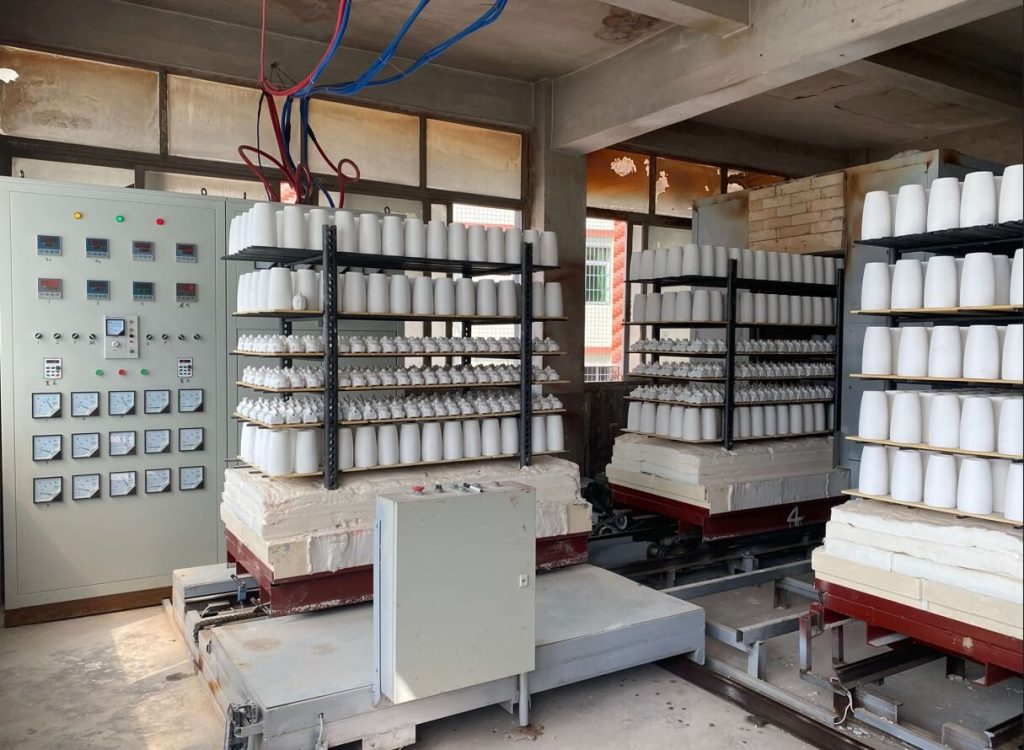
- Changes During Firing: During the firing process, both the ceramic body and the glaze undergo significant transformations. As the temperature rises, the glaze ingredients melt and fuse together, forming a smooth, glass-like surface. Chemical reactions within the glaze cause the colourants to become more vivid, and the fluxes help the glaze bond to the ceramic surface. The glaze also becomes harder and more durable, offering a protective layer that enhances the ceramic’s functionality. Once cooled, the glaze solidifies, revealing the finished piece in all its glory.
Environmental Protection and Health: Green Innovation in Modern Ceramic Glaze
With growing environmental awareness, ceramic manufacturers are adopting eco-friendly practices. Lead-free and non-toxic glazes are now the standard for food-safe ceramics. Additionally, sustainable glazing techniques focus on reducing waste and using renewable materials, making ceramics both beautiful and environmentally responsible.
Innovations and Trends in Ceramic Glazing
- Eco-Friendly and Sustainable Glazes
Modern glazes are increasingly made with sustainable materials, minimising their environmental footprint.
- Digital Glazing Technology
Advanced technology allows for precise and intricate designs, enabling mass production without compromising on quality or uniqueness.
- Revival of Traditional Glazing Techniques
Artisans are rediscovering and refining traditional methods like salt glazing and celadon glazing, blending heritage with innovation.
- Customisation for Niche Markets
Manufacturers now offer bespoke glazing solutions for specific markets, such as holiday-themed tableware or minimalist Scandinavian designs.
Certainly! Here’s the expanded version of the provided sections on the process of making ceramic glaze:
Colour and Design of Ceramic Glaze
The beauty of ceramic glaze lies in its endless possibilities for colour and design. From soft, pastel hues to deep, rich tones, and from minimalist patterns to intricate artwork, glazes offer boundless opportunities for creative expression.
- Colour Range: Ceramic glazes can be made in virtually any colour imaginable, thanks to the variety of metal oxides and other colourants that can be added to the glaze mix. Common colours include blues (from cobalt), greens (from copper), reds (from iron), and yellows (from antimony). More complex or layered glazes can even create iridescent effects, resulting in a multicoloured, shifting appearance depending on the angle of light.
- Design Possibilities: Glazes are not just for adding colour – they also provide an opportunity for artistic expression. Artists can experiment with texture, creating matte, glossy, or even crackled surfaces. Additionally, the glaze can be used as a canvas for intricate designs, such as floral patterns, geometric shapes, or hand-painted details. By combining various application techniques, colourants, and textures, ceramicists can produce truly unique pieces that stand out in both style and functionality.
Conclusion
Ceramic glaze is the magic behind the charm, durability, and functionality of ceramic products. From its vibrant colours to its protective qualities, glaze plays a pivotal role in transforming raw ceramics into timeless treasures. By embracing eco-friendly practices and innovative technologies, the industry continues to evolve, offering endless possibilities for customers.
Looking for beautifully glazed ceramics that combine artistry, durability, and eco-friendly innovation? At Homey Ceramic, we offer a stunning range of glazed products tailored to your needs. Explore our collections today and experience the perfect blend of design and functionality for your business or home!