Shipping ceramic goods safely is crucial for preserving their quality and avoiding damage during transit. Whether you’re a small business owner or an individual sending a cherished ceramic item, proper packaging techniques can make all the difference—especially when shipping ceramic goods from China internationally.
This guide offers step-by-step tips to ensure your ceramic goods arrive intact and in perfect condition, covering everything from material selection to shipping methods.
1. Choosing the Right Packaging
Selecting the correct packaging materials is the foundation of safe shipping. Using high-quality, durable packaging helps reduce the risk of breakage—an essential step when shipping ceramic goods from China across long distances.
Sturdy Boxes
-
Double-Walled Boxes: Ideal for fragile items, offering extra protection during stacking and transit.
-
Corrugated Cardboard: Good for lighter ceramic pieces, with shock-absorbing properties.
-
Properly Sized Boxes: Ensure there’s just enough space for padding—no more, no less.
Dividers and Inserts
-
-
Cardboard Dividers: Prevent contact between multiple ceramic items.
-
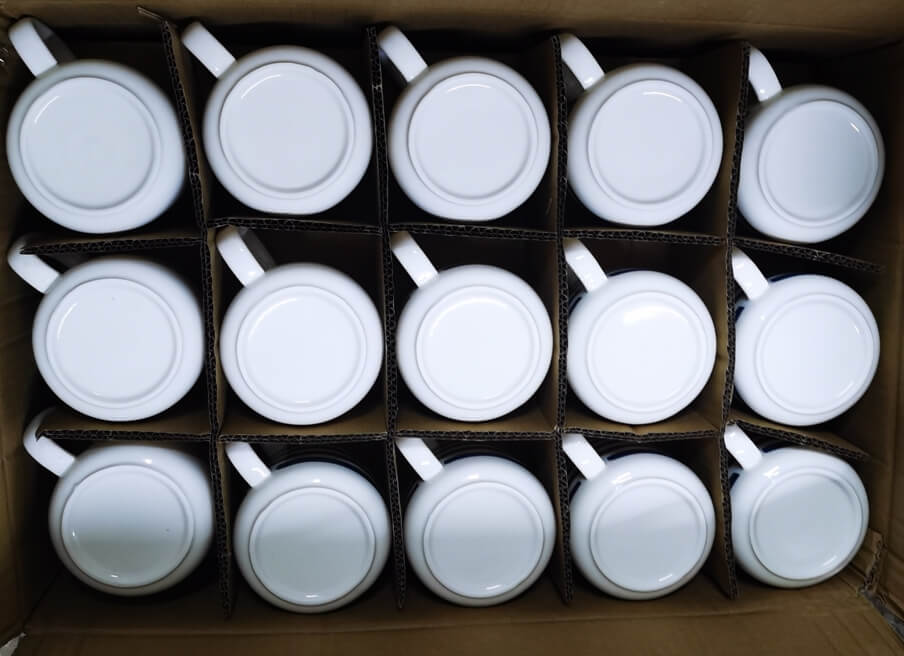
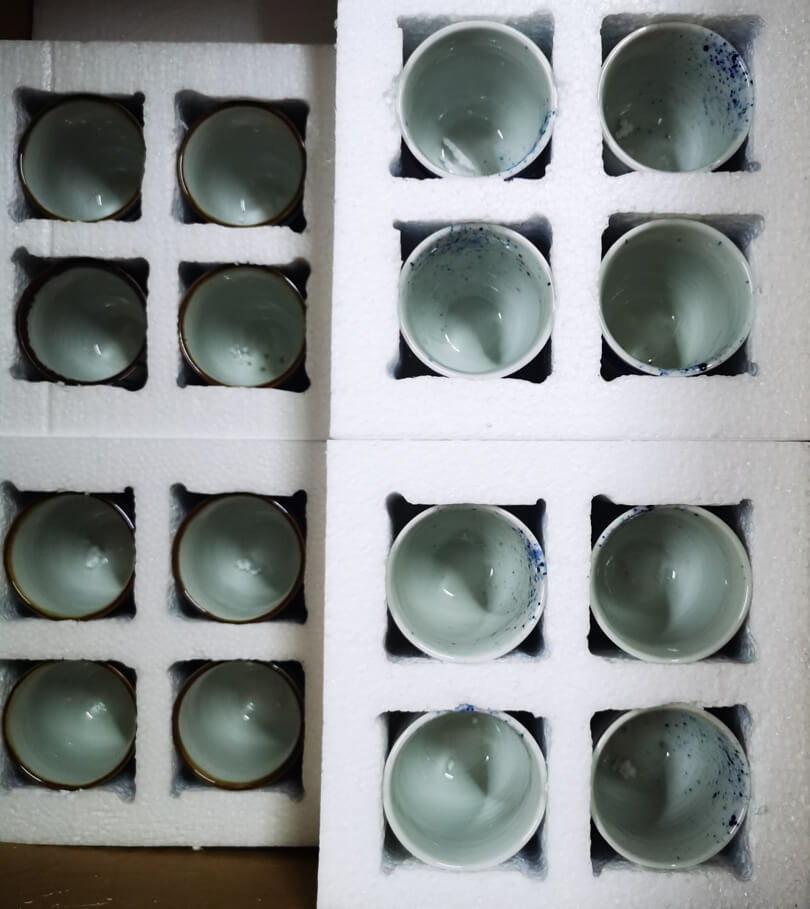
- Foam Inserts or Molded Inserts: Ideal for delicate or uniquely shaped pieces.
2. Padding and Cushioning
To protect ceramic items from bumps, drops, and vibrations, use adequate cushioning inside the box.
Recommended Materials:
-
Bubble Wrap: Wrap each item in multiple layers, especially for delicate parts.
-
Foam Sheets: Great for larger ceramics like dinner plates or vases.
-
Packing Peanuts: Fill empty spaces to prevent shifting.
-
Packing Paper: An eco-friendly option for filler material.
Ensure each item is individually wrapped and cushioned, especially when shipping ceramic vases, mugs, or figurines from China to overseas buyers.
3. Securing the Package
Even the best padding is useless if the box opens mid-shipment. Here’s how to keep it sealed tight:
High-Quality Tape
-
Packing Tape: Use wide, strong tape to seal all box seams securely.
-
Reinforced Tape: For high-value or heavy shipments, reinforced fibre tape adds extra durability.
Additional Protective Measures
-
Shrink Wrap: Protects small or detailed items from dust and moisture.
-
Moisture Absorbents: Use silica gel for international shipments to avoid mold or moisture damage.
4. Shipping and Labeling: Final Preparations
Labeling and final boxing steps are often overlooked—but critical for safe shipping of ceramic goods from China.
Label Packages Clearly
-
“Fragile” or “Handle With Care” labels on all sides
-
“This Side Up” arrows for correct orientation
-
Clear sender and recipient information
Consider Double Boxing
For maximum protection:
-
Place the packed inner box into a slightly larger outer box.
-
Fill the space between boxes with cushioning material (foam or bubble wrap).
-
Seal the outer box securely with heavy-duty tape.
Test the Packaging
Before sending, gently shake the package. If anything moves, add more padding to prevent potential breakage during transit.
5. Transportation Methods for Shipping Ceramic Goods From China
Once your ceramics are safely packaged, choosing the right shipping method is the next crucial step. Each method has its pros and cons depending on budget, time frame, and destination.
Shipping by Sea
-
Best for: Large volume, heavy items, cost-efficiency
-
Drawbacks: Longer delivery times (usually 20–40 days depending on destination)
-
Recommended for: Bulk ceramic tableware orders, wholesale vases, seasonal decorations
Shipping by Air
-
Best for: Urgent deliveries or fragile high-value items
-
Drawbacks: More expensive than sea freight
-
Recommended for: Sample orders, luxury or time-sensitive ceramic shipments
Incoterms to Consider
-
FOB (Free On Board): Buyer takes responsibility once goods are loaded on the ship. Allows more control but requires managing freight and customs.
-
DDP (Delivered Duty Paid): Seller handles all costs and logistics to deliver goods to the buyer’s door—including customs clearance and taxes. Ideal for buyers who prefer convenience and reduced risk.
Choosing between FOB and DDP depends on your level of experience and whether you have a trusted freight forwarder.
6. Prepare the Ceramics for Packing
Before packing your goods for shipment:
-
Ensure ceramics are clean and dry
-
Wrap each item individually
-
Add extra padding to fragile areas like handles or spouts
-
Seal the wrap using tape to keep protection in place
7. Choose Reliable Shipping Services
When shipping ceramic goods from China, it’s essential to partner with couriers that understand fragile product logistics.
-
Use shipping services with experience handling fragile goods
-
Purchase shipping insurance
-
Choose trackable shipping options
8. Include Unboxing Instructions
To prevent breakage after arrival:
-
Provide simple unboxing steps
-
Warn against cutting too deep through tape or padding
-
Suggest how to safely remove protective layers
Conclusion: Protecting Every Ceramic Piece That Leaves China
Shipping ceramic goods from China requires meticulous care—from packaging to transportation. Whether you’re choosing DDP or FOB, or sending goods by sea or air, your packaging strategy can make or break the shipment—literally.
By selecting the right materials, preparing your ceramics properly, and choosing reliable logistics solutions, you can ensure your products arrive in perfect condition and delight your customers.
???? Ready to ship your ceramics from China with confidence?
Explore our durable ceramic collections and ask about our packaging and DDP shipping options. At Homey Ceramic, we not only make beautiful ceramic products—we make sure they arrive beautifully, too.