Introduction: Turn a Christmas Classic into a Distinctive Product Collection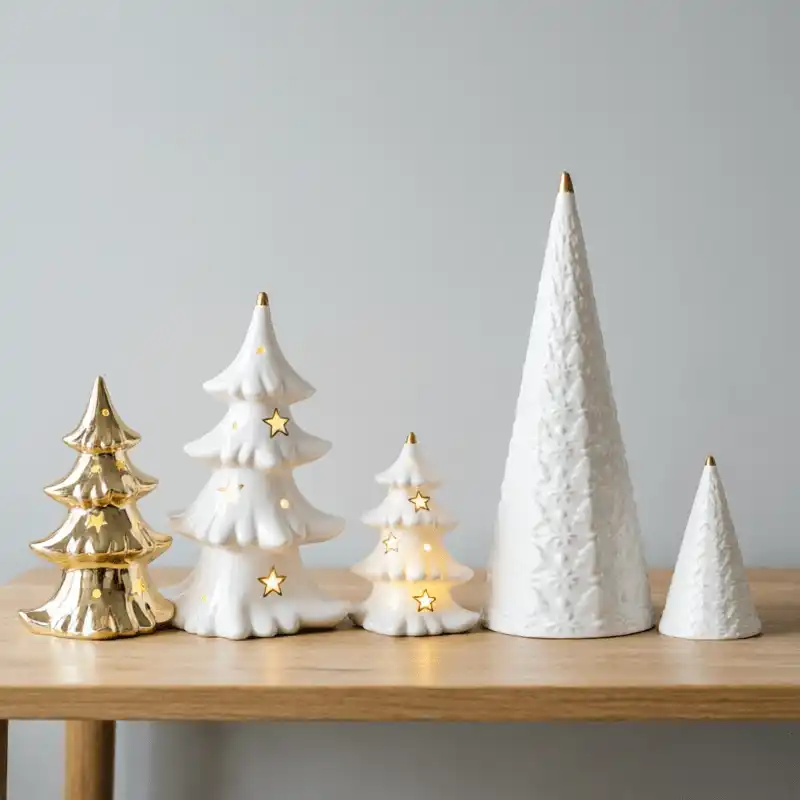
Ceramic luminous Christmas trees have a familiar place in seasonal home décor. Their sculptural shapes, glowing light openings, and nostalgic appeal make them attractive to consumers looking for festive decorations that can be displayed year after year.
For retailers and home décor brands, however, a familiar product category presents a challenge: how can a Christmas tree design feel distinctive enough to fit a brand’s identity rather than look like another standard seasonal decoration?
A custom ceramic luminous Christmas tree offers an opportunity to rethink the traditional design through colour, shape, surface decoration, proportions, and coordinated product styling. Instead of changing every feature, brands can focus on a few carefully selected details that make a product recognisable to their target customers.
For B2B buyers, the goal is to develop a product concept that balances visual identity, customer appeal, retail positioning, and practical production requirements.
This guide explores creative customization opportunities for ceramic Christmas tree collections, explains how OEM and ODM approaches support different brand strategies, and shows how to develop a distinctive range for seasonal retail.
1. Start with a Clear Product Concept
Before selecting colours or decorative details, define the idea behind the collection. A clear concept helps guide decisions about the tree silhouette, finish, lighting effect, packaging, and accompanying products.
1.1 Traditional Nostalgia
Traditional designs draw inspiration from familiar Christmas imagery, including evergreen trees, colourful lights, stars, and decorative ornaments.
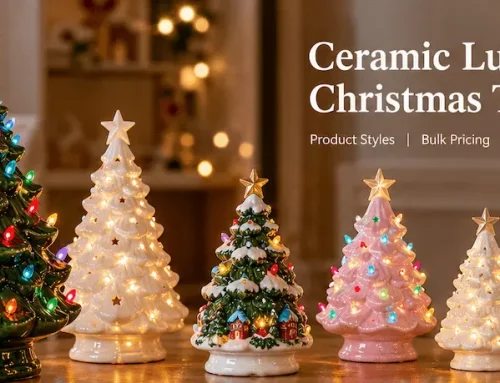
A classic green tree with multicoloured light openings can appeal to consumers who enjoy nostalgic holiday décor. Small changes, such as a different tree topper, a more refined base, or a distinctive glaze, can help create a recognisable variation without losing the traditional character.
This direction may suit gift retailers, traditional home décor stores, and brands targeting customers who appreciate familiar seasonal designs.
1.2 Contemporary Festive Design
Contemporary collections can reinterpret the Christmas tree through simplified shapes, restrained colours, and less elaborate decoration.
Ivory, soft white, muted green, and carefully selected pastel colours may work well with modern interiors. A streamlined silhouette can also make the product suitable for display beyond a traditional Christmas setting.
For brands with a modern home décor identity, the objective is to create a festive product that feels consistent with their year-round aesthetic.
1.3 Decorative Statement Pieces
Some brands may prefer a more expressive design featuring elaborate branches, sculptural proportions, decorative surface details, or an unusual tree topper.
These products can serve as focal points in seasonal displays or premium gift collections. The key is to ensure that the distinctive design remains practical to manufacture, package, and display.
A clear product concept gives the development team a reference point for every subsequent design decision.
2. Explore Five Creative Customization Directions
A custom ceramic luminous Christmas tree does not need to be completely redesigned to become distinctive. In many cases, a focused change in visual language can create a more coherent product identity.
2.1 Develop a Signature Colour Palette
Colour is one of the simplest ways to connect a seasonal product to a brand.
Instead of selecting colours individually, consider building a palette for the entire collection. For example:
- Classic festive: Forest green, traditional red accents, and warm illumination.
- Soft neutral: Ivory, cream, and muted green.
- Contemporary pastel: Blush pink, pale blue, and soft green.
- Elegant seasonal: Deep green, burgundy, and carefully selected metallic-effect details.
The palette should reflect the intended customer and the wider product range.
For a cohesive collection, decide which colour will be the main option and which colours will serve as complementary variations. This approach helps create visual consistency across different sizes or related products.
Ceramic glaze colours can change during firing, so colour references should be reviewed through physical samples before final approval.
2.2 Create a Recognisable Silhouette
The overall outline of a ceramic Christmas tree is often visible before a shopper notices its smaller decorative details.
Brands can explore variations in branch proportions, overall height, base shape, tree-top design, and the spacing of light openings.
For example, a traditional tiered tree may suit a nostalgic collection, while a more simplified outline can complement contemporary interiors.
When considering a new silhouette, evaluate the product from several angles. The tree should have an appealing front view, a balanced side profile, and a stable base.
A distinctive shape can strengthen product recognition, but more complex forms may require additional design development or mould work. Buyers should identify which shape features are essential to the concept before finalising the design brief.
2.3 Use Surface Decoration to Tell a Story
Surface decoration can connect a ceramic Christmas tree to a wider visual theme.
Possible directions include hand-painted snow effects, delicate botanical motifs, stars, geometric patterns, or decorative details inspired by a brand’s existing collection.
For example, a botanical home décor brand might prefer subtle leaf-inspired details, while a traditional gift brand could choose more elaborate festive motifs.
The important consideration is consistency. A decorative style should complement the tree shape rather than compete with it.
Buyers should also consider the intended retail price and production process. Intricate hand-painted details may require more labour than a simpler finish, while certain patterns may be better suited to ceramic decals or other suitable decoration techniques.
2.4 Design the Lighting as Part of the Visual Identity
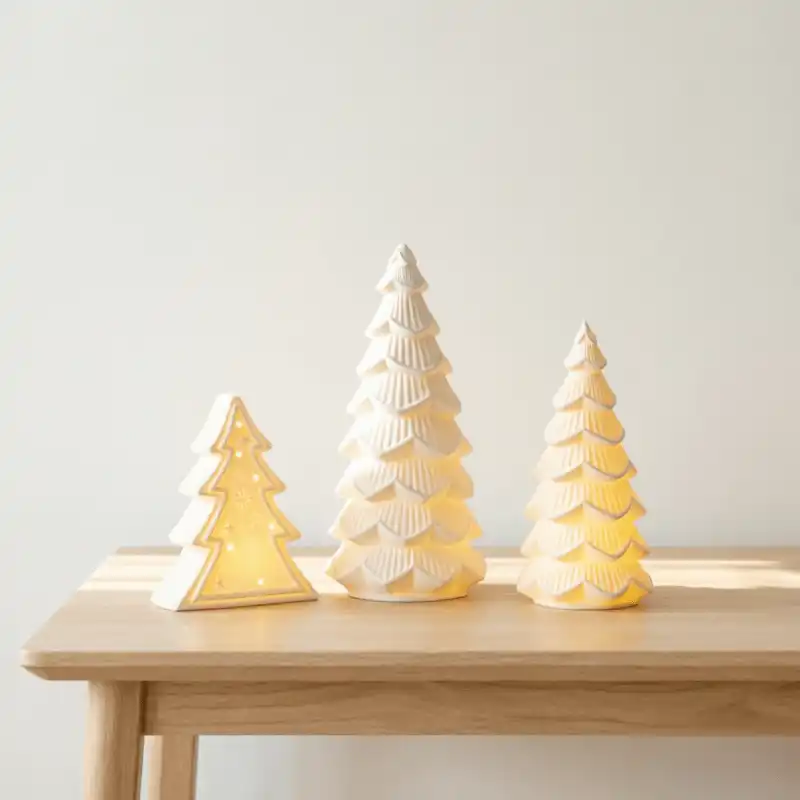
Lighting should be considered an integral part of the design rather than a final accessory.
The placement and size of the openings affect the pattern of light across the ceramic surface. The colour of the LEDs also changes the overall appearance of the product.
Warm-white lighting can create a softer, more traditional atmosphere, while multicoloured lights may suit nostalgic designs.
When developing a new concept, consider how the tree looks both when illuminated and when switched off. The ceramic body should remain visually appealing under normal room lighting.
The final lighting arrangement must also be compatible with the product structure and available components. Any proposed changes should be assessed during sample development.
2.5 Customise the Tree Topper and Decorative Details
The tree topper provides a small but highly visible opportunity for differentiation.
A traditional star, a simplified geometric shape, or another suitable decorative element can help reinforce the collection’s overall theme.
Other details worth considering include the shape of the base, the arrangement of light openings, and the relationship between the branches and the body.
Rather than adding many unrelated features, choose a small number of design elements that work together. This can make the product easier to recognise and help maintain a coherent visual identity across multiple SKUs.
3. OEM vs. ODM: Choose the Right Development Approach
Once the creative direction is established, the next decision is how to turn the concept into a manufacturable product.
3.1 When OEM Is the Better Choice
An OEM ceramic luminous Christmas tree project is generally suited to buyers who have their own design concept or defined product specifications.
The buyer may supply drawings, reference images, dimensions, colours, and decoration requirements. The sourcing partner then assesses the feasibility of coordinating production to those specifications.
OEM may be appropriate when a brand needs a distinctive silhouette, a specific decorative layout, or a product that follows established brand guidelines.
Before development begins, clarify which design elements are fixed, which can be adjusted for production, and which details require technical assessment.
3.2 When ODM Makes More Sense
An ODM ceramic luminous Christmas tree project can begin with an existing design that is adapted to the buyer’s preferences.
For example, a retailer may select a suitable tree shape and request a different colour palette, decorative treatment, or branded packaging.
This approach can reduce the number of design decisions required and may be suitable for businesses testing a new seasonal category.
The available changes depend on the original product structure and the production arrangements. Buyers should confirm which features can be modified without requiring a new mould or extensive development work.
3.3 How to Prepare a Useful Design Brief
Whether the project follows an OEM or ODM approach, a clear design brief makes communication more efficient.
Include the following information:
- Reference photographs or sketches.
- Target dimensions and approximate proportions.
- Preferred colour palette and surface finish.
- Decoration details and logo requirements.
- Desired lighting appearance and power configuration.
- Intended retail positioning and customer group.
- Target order quantity and expected launch date.
Not every detail must be finalised at the beginning. However, identifying the essential design requirements helps the sourcing partner assess feasibility and recommend the next steps.
4. Build a Product Collection Instead of a Single SKU
For many B2B brands, the commercial opportunity lies in developing a coordinated range rather than selling one isolated design.
A collection can share a common visual language while offering enough variation to appeal to different customers and retail price points.
4.1 Create a Core Design with Variations
One approach is to develop a core tree design and explore selected variations in colour, size, or decoration.
For example, a collection might include a classic green version, a neutral ivory version, and a pastel version. If the underlying structure remains similar, the collection can maintain a recognisable identity.
However, buyers should confirm whether different versions can share production tooling and which variations require separate setup or development costs.
4.2 Develop Complementary Ceramic Decorations
A luminous Christmas tree can serve as the centrepiece of a broader seasonal collection.
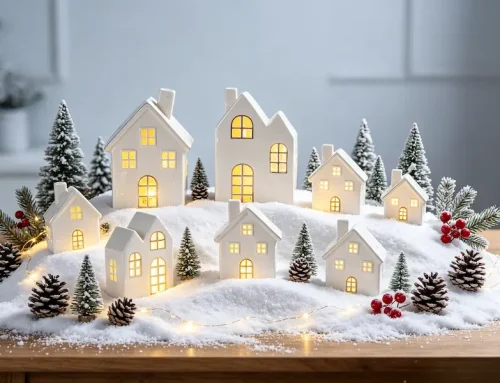
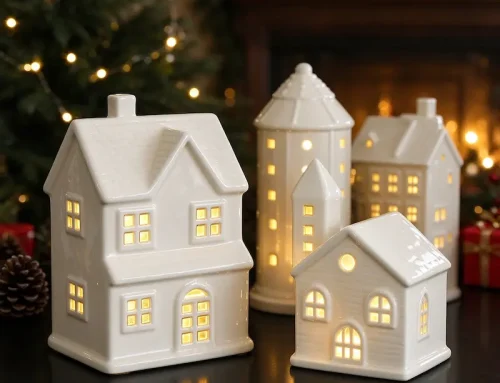
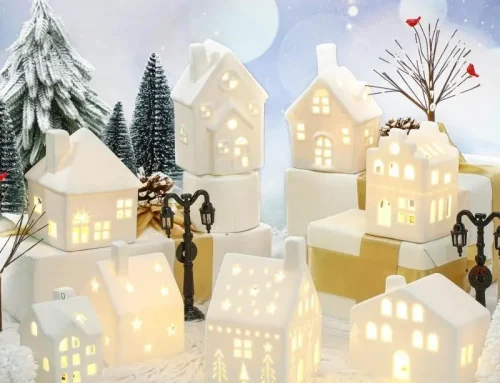
Related products might include ceramic Christmas houses, miniature decorative trees, candle holders, figurines, or other festive ornaments.
These products do not need identical decoration. Instead, they can share a consistent palette, surface finish, or design theme.
For retailers, coordinated collections can create more opportunities for seasonal displays and gift combinations. For private-label brands, they can provide a more distinctive identity than a group of unrelated products.
Buyers exploring complementary products can browse the Ceramic Decoration Collection for additional inspiration.
4.3 Match the Collection to the Target Customer
Different retail channels may require different product strategies.
Gift shops may value decorative details and gift-ready presentation. Contemporary home décor retailers may prefer simpler shapes and restrained colours. Seasonal specialists may focus on recognisable Christmas styling and a broader assortment of designs.
Before expanding the range, identify the core customer and the role each product will play in the collection.
A focused range with a clear identity is often easier to position than a large assortment of designs that do not relate to one another.
5. Develop Private Label Products That Reflect Your Brand
A ceramic luminous Christmas tree private label project allows a retailer or brand to present the product under its own identity.
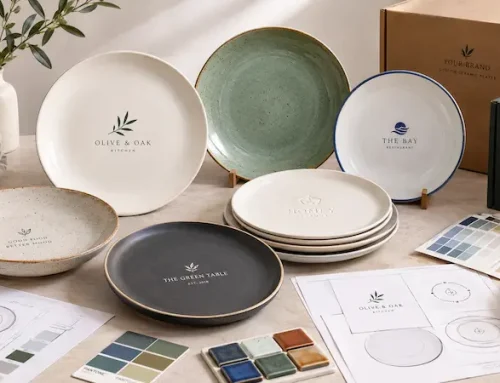
Private labelling is not limited to printing a logo on a box. The strongest results come from coordinating product design, colour, decoration, packaging, and brand presentation.
5.1 Integrate Branding into the Product Concept
Branding may be incorporated through suitable decorative details, a logo, a signature colour, or a distinctive product silhouette.
The appropriate method depends on the design, ceramic surface, and decoration process.
Before confirming the artwork, review its size, placement, visibility, and compatibility with the product finish. The final sample should be used to verify the appearance.
5.2 Use Packaging to Reinforce the Collection
Packaging can communicate the product’s positioning before the customer opens the box.
A contemporary collection may use restrained graphics and neutral colours, while a traditional festive range may feature more expressive seasonal imagery.
Potential packaging elements include branded colour boxes, product names, barcodes, instruction cards, and coordinated graphics across multiple SKUs.
Packaging must also protect the ceramic product during handling and transportation. Retail presentation and physical protection should therefore be considered together.
5.3 Clarify Design and Artwork Ownership
For exclusive product development, document the ownership and permitted use of designs, artwork, moulds, and other project assets.
Buyers should clarify whether a design is exclusive, whether the mould can be reused for repeat orders, and whether similar products may be supplied to other customers.
Written agreements help establish clear expectations before development and production begin.
Homey Ceramic can help B2B buyers discuss these requirements as part of a customised ceramic sourcing project.
6. Turn Your Design Idea into a Production-Ready Sample
Creative concepts often need adjustment before they become suitable for ceramic production. A structured sample-development process helps identify these issues early.
Step 1: Review the Concept
Share reference images, dimensions, preferred finishes, and the intended retail positioning.
The initial discussion should identify the essential design features and any areas that may require technical assessment.
Step 2: Assess Feasibility
Consider whether the shape, decorative openings, surface treatment, and lighting arrangement are compatible with the proposed production process.
If the design requires a new mould or specialised components, clarify the associated development requirements before proceeding.
Step 3: Review the Sample
Evaluate the physical sample under both illuminated and unilluminated conditions.
Check the overall proportions, colour, decorative details, stability, and lighting effect. Record any changes required before approving the design.
Step 4: Confirm the Final Specifications
Once the sample is approved, document the agreed dimensions, finish, decoration, lighting configuration, and packaging requirements.
This provides a clear reference for subsequent production and repeat orders.
The time and cost involved will depend on the design complexity, sample requirements, and manufacturing arrangements. Buyers should confirm the project schedule before committing to a launch date.
7. How Homey Ceramic Supports Custom Ceramic Décor Projects
Developing a custom ceramic luminous Christmas tree requires coordination between the design concept, ceramic manufacturing requirements, decoration, and final product specifications.
Homey Ceramic is a trading and sourcing company working with vetted manufacturing partners to support B2B customers seeking ceramic home décor and customised products.
Rather than presenting every project as a standard factory order, Homey Ceramic can coordinate with suitable manufacturing partners to assess the feasibility of a proposed design and discuss the relevant development requirements.
Support for OEM and ODM Requirements
Buyers can share reference photographs, sketches, dimensions, colours, and branding preferences for an initial project assessment.
Depending on the design and quantity, the discussion may cover existing product options, possible modifications, mould requirements, and sample development.
Customisation Across Ceramic Categories
For brands developing a broader collection, Homey Ceramic can also help explore related ceramic décor products that complement the main concept.
Learn more about the custom ceramics service or visit Homey Ceramic to explore the company’s B2B sourcing services.
The most useful starting point is a clear product brief describing the intended design, target customer, expected order quantity, and planned launch date.
8. Frequently Asked Questions
What can be customised on a ceramic luminous Christmas tree?
Depending on the product design, customisation may include shape, dimensions, glaze colour, surface decoration, tree toppers, lighting configuration, logos, and retail packaging. Feasibility should be confirmed for the specific design.
Is OEM or ODM better for a custom ceramic Christmas tree?
OEM is generally suitable when the buyer has a defined design or technical specifications. ODM may suit buyers who want to adapt an existing design. The best option depends on the desired level of design control, budget, and development requirements.
Can I develop several colours within one collection?
Potentially, yes. Buyers can discuss a shared design with different colour variations. However, minimum quantities, setup costs, and production arrangements should be confirmed for each version.
Can I create a private-label ceramic Christmas tree collection?
Private-label options may include custom product finishes, logos, packaging, and coordinated designs across multiple products. The available scope depends on the design and project requirements.
Do custom designs always require a new mould?
No. Some projects may be developed by adapting an existing design. A new mould may be necessary when the requested shape or structure differs significantly from available options.
How can I make my Christmas tree design more distinctive?
Start with a clear brand concept and focus on a few recognisable elements, such as a signature colour palette, silhouette, decorative style, or lighting arrangement. A coherent design is often more effective than adding many unrelated details.
Conclusion: Create a Distinctive Custom Ceramic Christmas Tree Collection
Custom ceramic luminous Christmas trees offer B2B brands an opportunity to reinterpret a familiar holiday decoration through distinctive colours, silhouettes, surface finishes, lighting effects, and coordinated product styling.
The most effective development process starts with a clear creative concept and a realistic understanding of the intended customer. OEM and ODM approaches can both support successful product development when the design requirements, production feasibility, and commercial objectives are clearly defined.
For retailers, distributors, and private-label brands, the opportunity is not simply to customise a single Christmas tree. It is to develop a product that fits a wider collection and reinforces the brand’s identity.
Have a concept for your next Christmas collection? Contact Homey Ceramic with your reference images, preferred colours, target dimensions, and expected order quantity. Our team can help assess the design requirements and coordinate suitable sourcing options for your custom ceramic décor project.