Choosing the right ceramic vase materials is more important than many buyers realise. The material of a vase directly affects its durability, appearance, weight, and how well it works for different flower arrangements.
In today’s market, many buyers confuse ceramic, porcelain, and stoneware. While they are closely related, each material has distinct characteristics that influence both design and functionality.
In this guide, we’ll break down the most common ceramic vase materials, helping you clearly understand their differences and choose the best option for your business or project.
What Are Ceramic Vase Materials?
Ceramic vase materials refer to a broad category of clay-based products fired at high temperatures. This includes porcelain, stoneware, and other traditional pottery types.
In simple terms, ceramic is the umbrella term, while porcelain and stoneware are specialised forms of ceramics with different properties.
Common finishing methods for ceramic vase materials include:
-
Glossy glazing
-
Matte textures
-
Reactive glazes
-
Hand-painted decoration
If you want to explore custom finishes, our 👉 custom ceramics service offers tailored solutions for different markets and styles.
Main Types of Ceramic Vase Materials
The most widely used ceramic vase materials include the following categories, each offering distinct characteristics in terms of appearance, durability, and application: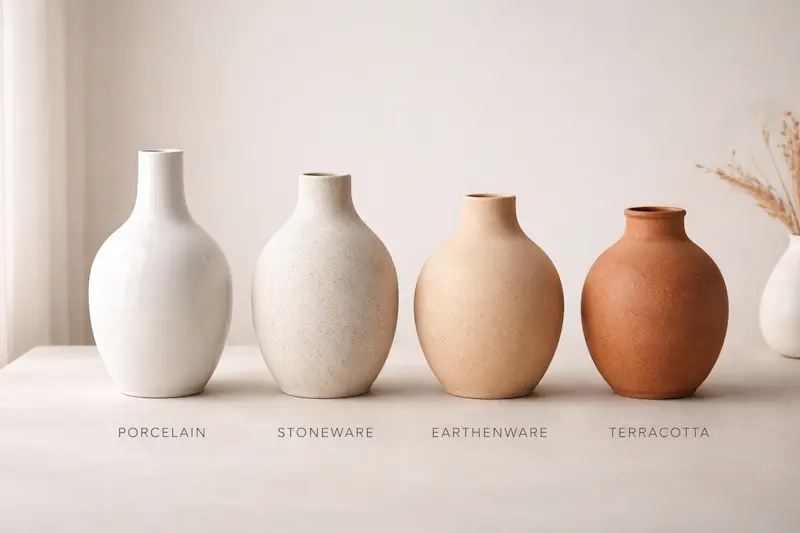
Earthenware
Earthenware is one of the oldest and most traditional ceramic vase materials, fired at relatively low temperatures. This results in a softer body that is more porous compared to other ceramics. Because of its absorbent nature, earthenware vases are usually coated with glaze if they are intended to hold water. Visually, earthenware offers warm, natural tones and a slightly rustic charm, making it ideal for decorative use, seasonal collections, and artisanal designs. It is also more cost-effective, which makes it popular for bulk production and promotional ranges. However, due to its lower durability, earthenware is better suited for indoor styling rather than heavy daily use or large floral arrangements.
Stoneware
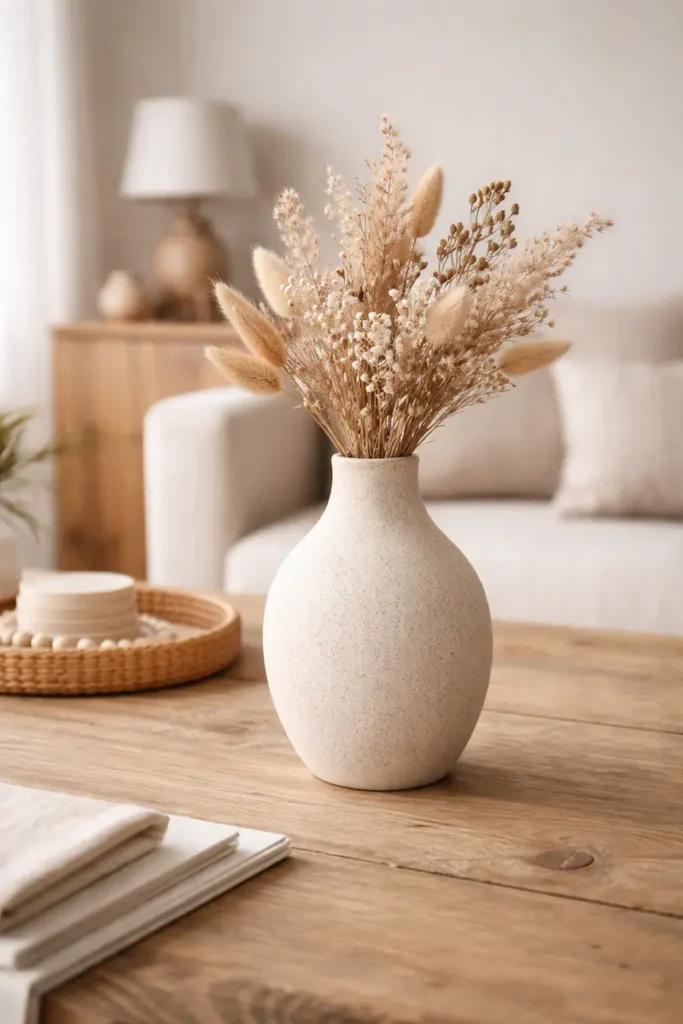
Stoneware is a highly durable option among ceramic vase materials, fired at high temperatures to create a dense, non-porous structure. This makes it particularly suitable for functional vases that need to hold water and support heavier flower arrangements. Stoneware typically features a thicker body and a slightly textured or organic finish, which aligns well with modern, rustic, and Scandinavian interior styles. Its strength and weight provide excellent stability, especially for larger vases or statement pieces. In wholesale markets, stoneware is valued for its balance between durability and aesthetic appeal. While it may lack the delicate refinement of porcelain, its practicality and long lifespan make it a reliable choice for everyday use.
Porcelain
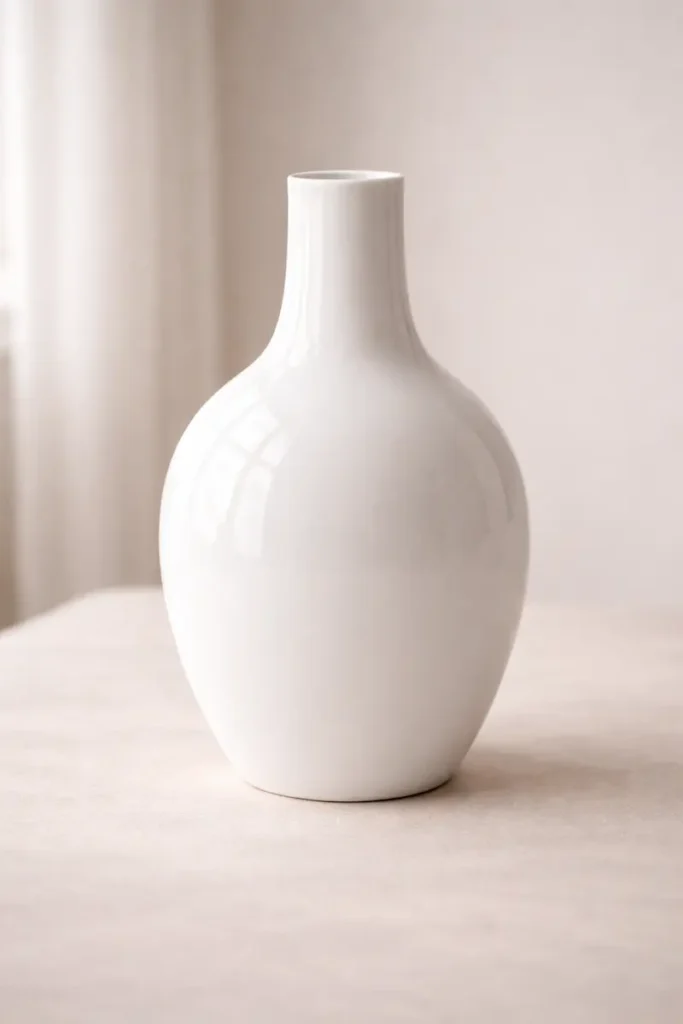
Porcelain is considered the most refined of all ceramic vase materials, made from high-quality clay and fired at extremely high temperatures. This process results in a smooth, dense, and often slightly translucent body with a very elegant appearance. Porcelain vases are typically thinner and lighter than stoneware, yet surprisingly strong when handled properly. They are widely used in premium product lines due to their clean finish, fine detailing, and luxurious feel. Porcelain works particularly well in modern, minimalist, and classic interiors. However, it tends to be more expensive and requires careful handling during transport and use. For buyers seeking high-end aesthetics and precise craftsmanship, porcelain remains a top-tier choice.
Terracotta
Terracotta is a natural clay-based option within ceramic vase materials, recognised for its distinctive reddish-brown colour and earthy texture. It is usually fired at lower temperatures, similar to earthenware, which means it retains some porosity unless sealed or glazed. Terracotta vases are often associated with rustic, Mediterranean, and outdoor garden styles, making them ideal for plants, dried flowers, or decorative arrangements. The breathable nature of terracotta can even benefit certain plant types. In design terms, it offers an authentic, handmade look that appeals to boho and organic trends. However, its relatively fragile structure and moisture absorption mean it is less suitable for long-term water use unless properly treated.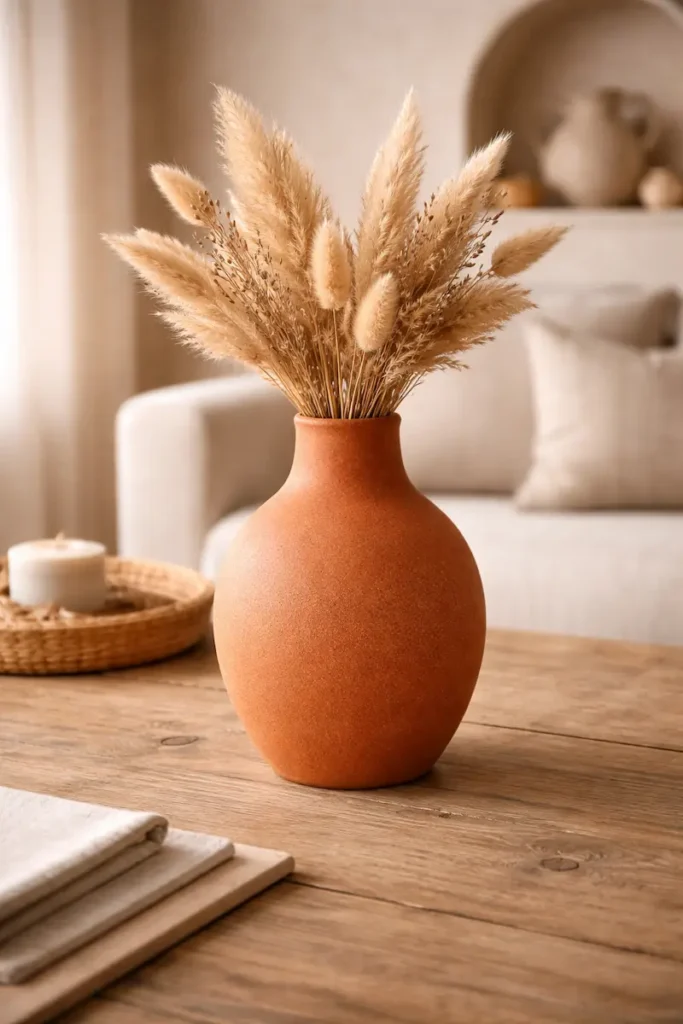
Pottery
Pottery is a broad term that encompasses many handmade forms of ceramic vase materials, including earthenware and stoneware. What distinguishes pottery is the craftsmanship involved—these pieces are often wheel-thrown or hand-shaped, giving each vase a unique character. Pottery vases are highly valued in decorative and boutique markets where individuality and artisanal quality are key selling points. They often feature hand-applied glazes, textured surfaces, or irregular shapes that cannot be replicated in mass production. While pottery can vary in durability depending on the clay and firing method used, its appeal lies in its authenticity and design flexibility. For retailers, pottery offers strong differentiation and storytelling potential in curated collections.
What Is a Ceramic Vase?
A “ceramic vase” often refers to all clay-fired vases, but in retail, it may also include porcelain and stoneware products.
Typical characteristics of ceramic vase materials include:
-
Versatile designs
-
Wide range of colours and finishes
-
Suitable for both decorative and practical use
You can browse a wide range of styles here 👉 Ceramic Vase Wholesale
Pros of Ceramic Vases
-
Affordable pricing
-
Wide variety of styles
-
Easy to match with different interiors
-
Available in handmade and mass-produced forms
Cons of Ceramic Vases
-
Some types are porous
-
Can chip if dropped
-
Quality depends on firing temperature and glaze
What Is a Porcelain Vase?
Porcelain is a refined type of ceramic vase materials, made from fine clay and fired at very high temperatures.
Key features include:
-
Smooth surface
-
Elegant appearance
-
Thin and lightweight structure
-
Low porosity
Advantages of Porcelain Vases
-
Luxurious and premium look
-
Suitable for modern and classic interiors
-
Strong despite delicate appearance
-
Ideal for fresh flower arrangements
Disadvantages of Porcelain Vases
-
Higher cost
-
Can be fragile if mishandled
-
Surface imperfections may be more visible
What Is a Stoneware Vase?
Stoneware is one of the most durable ceramic vase materials, fired at high temperatures to create a dense and sturdy body.
Key characteristics:
-
Heavier weight
-
Natural, textured finish
-
Strong and practical
Often used in farmhouse, minimalist, and Scandinavian interiors.
Benefits of Stoneware Vases
-
Highly durable
-
Suitable for daily use
-
Excellent water retention when glazed
-
Ideal for large arrangements
Drawbacks of Stoneware Vases
-
Heavier than porcelain
-
Less refined appearance
-
Limited fine detail
Ceramic vs Porcelain vs Stoneware Vases: Key Differences
1. Material Composition
-
Ceramic: umbrella term
-
Porcelain: refined clay
-
Stoneware: dense clay body
2. Texture and Finish
-
Porcelain: smooth and polished
-
Stoneware: earthy and textured
-
Ceramic: wide variation
3. Weight and Handling
-
Porcelain: lightweight
-
Stoneware: heavy
-
Ceramic: varies
4. Style and Aesthetic Appeal
Different ceramic vase materials suit different styles:
-
Luxury: porcelain
-
Rustic: stoneware
-
Minimalist: matte ceramic
-
Scandinavian: neutral stoneware
-
Modern: glossy ceramic
For more on finishes, see our full👉 Ceramic Vase Glazing Guide
Which Vase Material Is Best for Fresh Flowers?
When selecting ceramic vase materials for fresh flowers, functionality matters just as much as design.
Key considerations:
-
Water resistance
-
Stability
-
Neck shape
-
Ease of cleaning
Best Choices by Use Case
-
Fresh flowers: glazed porcelain or stoneware
-
Heavy arrangements: stoneware
-
Decorative display: porcelain or artistic ceramic
-
Budget option: standard ceramic
Examples:
-
Roses & tulips → porcelain
-
Pampas grass → ceramic or stoneware
-
Large branches → stoneware
-
Everyday bouquets → any glazed ceramic
How to Choose Between Ceramic, Porcelain, and Stoneware Vases
Consider Your Decor Style
Different ceramic vase materials align with different aesthetics:
-
Modern → porcelain
-
Minimalist → matte ceramic
-
Rustic → stoneware
-
Luxury → fine porcelain
-
Boho → textured ceramic
Think About Functionality
-
Decorative or practical?
-
Indoor or outdoor use?
-
Lightweight or stable?
Check Craftsmanship
High-quality ceramic vase materials should have:
-
Even glaze
-
Stable base
-
Consistent wall thickness
-
Smooth interior sealing
Set Your Budget
-
Affordable: standard ceramic
-
Mid-range: stoneware
-
Premium: porcelain
At 👉 Homey Ceramic, we help buyers balance cost, design, and performance with flexible MOQ and customisation options.
Common Questions About Ceramic vs Porcelain vs Stoneware Vases
Is porcelain stronger than ceramic?
Porcelain is technically stronger due to higher firing temperatures, but it can still break if dropped.
Is stoneware better than porcelain for flower vases?
For durability and heavy use, yes. For elegance, porcelain is better.
Are all porcelain vases ceramic?
Yes, porcelain is a type of ceramic.
Which vase material is most durable?
Stoneware is generally the most durable among ceramic vase materials.
Can ceramic vases hold water?
Yes, if properly glazed and sealed.
What is the best vase material for home decor?
It depends on your style—porcelain for luxury, stoneware for rustic, and ceramic for versatility.
Conclusion
Understanding different ceramic vase materials is essential for making the right purchasing decision. Porcelain, stoneware, and general ceramic each offer unique benefits in terms of style, durability, and functionality.
The best choice ultimately depends on your design preference, usage needs, and budget.
If you’re looking to source or customise high-quality vases, explore our full range at 👉 Homey Ceramic or browse 👉 Ceramic Vase Wholesale.
For tailored designs and bulk orders, feel free to request a quote—our team is ready to support your next ceramic project with reliable production and custom solutions.