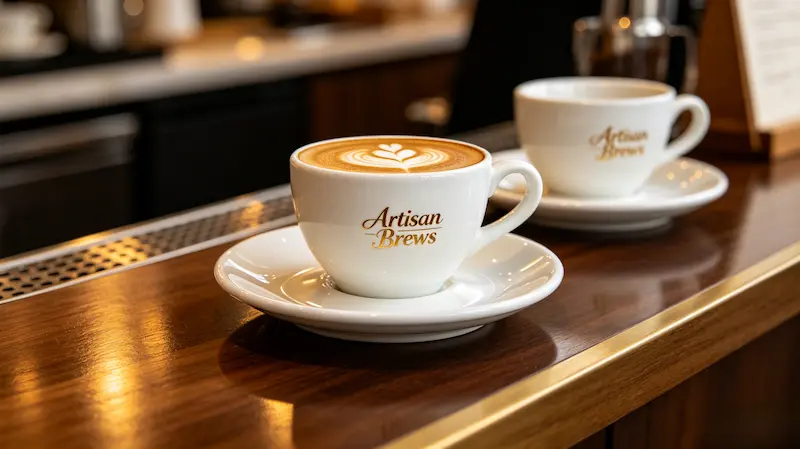
The global coffee market continues to grow, creating new opportunities for cafés, hospitality brands, retailers, and online businesses. As competition increases, companies are looking for ways to strengthen their brand identity and improve customer experience. One highly effective solution is investing in Custom Porcelain Espresso Cups that showcase a unique brand image while delivering a premium coffee experience.
Unlike generic drinkware, branded porcelain espresso cups help businesses create a memorable impression, increase brand recognition, and enhance perceived product value. Whether used in a speciality coffee shop, boutique hotel, corporate gifting programme, or retail collection, customised espresso cups can become a powerful marketing tool.
This guide explores the key factors B2B buyers should evaluate when sourcing espresso cups porcelain, including material benefits, branding options, supplier selection, pricing considerations, and common purchasing mistakes.
Why Choose Porcelain for Espresso Cups?
Premium Look and Feel
Porcelain has long been associated with quality, elegance, and sophistication. The smooth white body and refined finish make porcelain espresso cups particularly attractive for businesses seeking a premium presentation.
Compared with other materials, porcelain offers:
- A cleaner and brighter appearance
- A more refined drinking experience
- Enhanced visual appeal for branding
- Greater customer perception of quality
Many coffee brands consider porcelain the benchmark material when creating premium tableware collections.
Excellent Heat Retention
Espresso is best enjoyed at the correct serving temperature. High-quality fine porcelain espresso cups help maintain heat while preserving the flavour and aroma of freshly brewed coffee.
The dense structure of porcelain helps keep espresso warm without making the cup excessively heavy.
Durability for Commercial Use
Although porcelain appears delicate, it is surprisingly strong when manufactured correctly. Commercial-grade porcelain espresso cups are designed to withstand frequent daily use in cafés, restaurants, and hotels.
Benefits include:
- Low water absorption
- Resistance to staining
- Easy cleaning
- Long product lifespan
Perfect for Branded Collections
Many businesses create coordinated tableware ranges that include:
- Espresso cups
- Cappuccino cups
- Coffee mugs
- Tea cups
- Serving accessories
Porcelain provides consistency across the entire collection and supports premium branding.
For inspiration, explore our collection of ceramic mugs.
Key Features of the Best Espresso Cups
Not all espresso cups are created equal. The best porcelain espresso cups share several important characteristics.
Proper Cup Size
Typical espresso cup capacities include:
- 60–90ml for single espresso
- 120ml for double espresso
- 150ml for lungo or speciality coffee
Selecting the right size helps maintain authentic coffee presentation.
Thick Walls for Heat Retention
The best porcelain espresso cups balance elegance with functionality. Slightly thicker walls help maintain beverage temperature while providing durability during commercial use.
Comfortable Handle Design
A well-designed handle improves usability and customer comfort.
Buyers should evaluate:
- Finger clearance
- Grip comfort
- Weight balance
- Ergonomic design
Smooth Glaze Finish
High-quality glazing contributes to:
- Easier cleaning
- Better stain resistance
- Improved appearance
- Longer product lifespan
Stackability
For cafés and hotels, stackability is often overlooked but extremely important. Efficient storage helps reduce operational costs and improves service efficiency.
Private Label Opportunities
Build Your Own Brand
Private label products allow businesses to sell drinkware under their own brand rather than relying on generic products.
Custom-branded porcelain espresso cups help create:
- Brand consistency
- Customer loyalty
- Higher perceived value
- Stronger market differentiation
Suitable for Multiple Industries
Private label espresso cups are popular among:
- Independent coffee shops
- Coffee chains
- Boutique hotels
- Gift companies
- Lifestyle brands
- Online retailers
Increase Retail Value
Branded products often achieve higher retail margins than standard unbranded alternatives.
A carefully designed porcelain espresso cup set can significantly increase perceived product value.
Stand Out from Competitors
Many businesses source similar products from the same suppliers. Investing in customised designs helps distinguish your products from competitors.
Custom Branding Options
One of the biggest advantages of sourcing Custom Porcelain Espresso Cups is the wide range of branding possibilities available.
Logo Printing
Logos can be applied using:
- Decal printing
- Screen printing
- Digital printing
Branding can appear on:
- Cup body
- Interior wall
- Handle
- Saucer
Colour Glazing
Available options include:
- Classic white
- Matte black
- Glossy colours
- Reactive glazes
- Custom Pantone colours
Custom Shapes
Businesses can develop unique products through:
- Custom moulds
- Special handle designs
- Distinctive silhouettes
Embossing and Debossing
Premium branding techniques include:
- Embossed logos
- Debossed logos
- Textured branding elements
These options create a more sophisticated appearance than standard printing.
Retail Packaging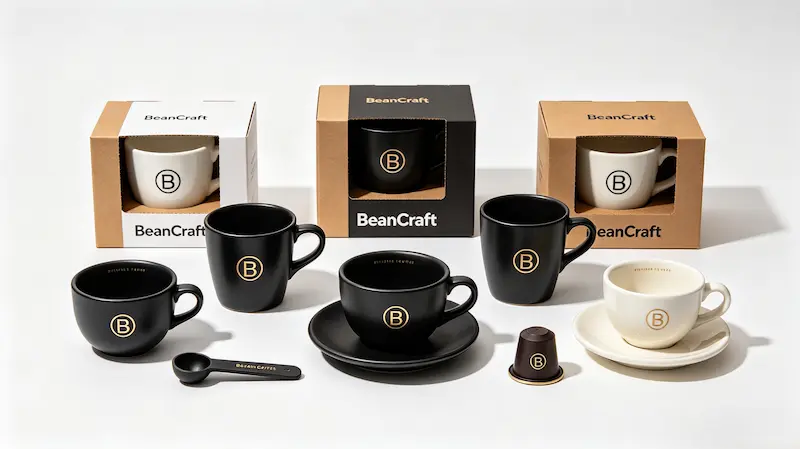
Custom packaging can include:
- Gift boxes
- Luxury presentation boxes
- Colour retail cartons
- E-commerce packaging
At Homey Ceramic, we provide complete private-label solutions through our professional custom ceramics service.
What to Look for in a Supplier
Choosing the right supplier is critical to project success.
OEM and Private Label Experience
Look for suppliers with proven experience producing:
- Custom espresso cups
- Coffee cup collections
- Branded tableware
- Retail packaging
Sample Quality
Always request samples before placing a bulk order.
Evaluate:
- Shape consistency
- Glaze quality
- Logo accuracy
- Packaging standards
Quality Control
Reliable suppliers should maintain strict quality control procedures throughout production.
Key checks include:
- Dimension inspection
- Decoration inspection
- Drop testing
- Packaging inspection
Communication and Support
A good supplier should provide:
- Fast responses
- Clear quotations
- Production updates
- After-sales support
At Homey Ceramic, we work closely with international buyers to ensure smooth communication throughout the entire project lifecycle.
Learn more about Homey Ceramic.
MOQ, Pricing, and Lead Times
Minimum Order Quantities
MOQ requirements vary depending on:
- Product complexity
- Decoration methods
- Packaging requirements
Many custom projects begin from 100–500 pieces, while larger retail programmes may require higher volumes.
Factors Affecting Cost
Several factors influence pricing:
- Cup size
- Decoration method
- Custom moulds
- Packaging
- Order quantity
A custom porcelain espresso cup and saucer set typically costs more than a standard cup due to additional manufacturing and packaging requirements.
Balancing Cost and Brand Value
The cheapest option is not always the most profitable.
Investing in premium espresso cups porcelain often results in:
- Better customer experience
- Higher retail pricing
- Stronger brand image
Lead Time Planning
Typical production timelines include:
- Sample development: 10–20 days
- Mass production: 45–60 days
- Shipping: depending on destination
Advance planning is especially important before peak sales seasons.
Quality and Compliance Considerations
Food Safety
Buyers should ensure all porcelain espresso cups comply with applicable food-contact regulations.
Glaze Quality
High-quality glazes should provide:
- Smooth surfaces
- Lead-free composition
- Cadmium-free composition
- Long-term durability
Export Packaging
Proper packaging helps reduce breakage during transportation.
Recommended solutions include:
- Individual boxes
- Foam protection
- Master cartons
- Drop-tested packaging
Compliance Requirements
International buyers may require:
- FDA compliance
- LFGB testing
- Prop 65 requirements
- Retailer-specific standards
An experienced supplier can help navigate these requirements.
Best Use Cases for Branded Espresso Cups
Cafés and Coffee Chains
Branded espresso cups reinforce brand identity every time a customer enjoys a coffee.
Boutique Hotels
Luxury hospitality businesses often choose fine porcelain espresso cups to enhance guest experiences.
Retail Collections
A premium porcelain espresso cup set can become a valuable retail product alongside coffee beans and brewing accessories.
Corporate Gifts
Custom coffee cups are increasingly popular for:
- Employee gifts
- Client appreciation programmes
- Promotional campaigns
Seasonal Collections
Limited-edition designs can help drive seasonal sales and create excitement around new product launches.
Common Mistakes to Avoid
Focusing Only on Price
Cheap products often result in:
- Higher breakage rates
- Inconsistent branding
- Poor customer perception
Ignoring Functionality
A beautiful cup still needs to perform well.
Evaluate:
- Capacity
- Comfort
- Stackability
- Heat retention
Overcomplicating Branding
Complex decoration can increase costs without improving customer experience.
Focus on branding that supports your overall strategy.
Skipping Sample Approval
Never move directly into mass production without approved samples.
This step helps avoid expensive mistakes and quality issues.
FAQ
What size is best for porcelain espresso cups?
Most espresso cups range from 60ml to 90ml. Double espresso cups may range from 100ml to 120ml.
Can porcelain espresso cups be fully customised?
Yes. Buyers can customise shapes, colours, logos, finishes, packaging, and even create entirely new mould designs.
Are porcelain cups good for commercial espresso service?
Absolutely. Commercial-grade porcelain espresso cups offer excellent durability, appearance, and heat retention.
What is the typical MOQ for private label orders?
MOQ varies by project but often starts between 100 and 500 pieces depending on the level of customisation.
How do I choose a reliable custom cup supplier?
Look for a supplier with strong quality control, customisation capabilities, proven export experience, and responsive communication.
Conclusion
For businesses seeking premium drinkware solutions, Custom Porcelain Espresso Cups offer an ideal combination of quality, branding potential, and commercial performance.
Whether you are launching a coffee brand, supplying hospitality venues, building a retail collection, or creating promotional merchandise, the right porcelain espresso cups can significantly enhance customer experience and strengthen brand recognition.
Successful sourcing requires careful evaluation of quality, customisation options, pricing, compliance standards, and supplier reliability.
As a trusted manufacturer specialising in customised ceramic drinkware, Homey Ceramic offers complete OEM and private-label solutions, including porcelain espresso cups, porcelain espresso cup and saucer collections, and premium porcelain espresso cup set products tailored to your brand.
Contact Homey Ceramic today for a quotation and discover how our team can help you develop the best porcelain espresso cups for your market.