The global home décor industry is undergoing a clear structural shift, with strong B2B demand driving growth in decorative ceramics. Among all categories, modern ceramic house décor wholesale has become one of the fastest-expanding segments, particularly for importers, distributors, interior design studios, and hospitality procurement teams.
Unlike fast-moving consumer décor trends, ceramic house décor is now positioned as a long-cycle, high-repeat wholesale category. Buyers are no longer just purchasing decorative items—they are sourcing consistent, scalable product lines that can support retail collections, seasonal launches, and commercial interior projects.
In this context, suppliers such as Homey Ceramic play a key role in enabling global B2B sourcing through stable production capacity, OEM/ODM development, and flexible bulk order systems.
This article explores the core commercial drivers behind the growth of modern ceramic house décor wholesale, and why it continues to attract serious B2B buyers worldwide.
Rising Demand for Modern Interior Product Lines
The strongest driver behind modern ceramic house décor wholesale is the global shift toward minimalist and contemporary interior design systems. For B2B buyers, this is not a trend—it is a repeatable demand cycle.
Retailers and distributors are increasingly building collections around:
- Minimalist interior styling
- Neutral colour palettes
- Scandinavian-inspired décor systems
- Natural material aesthetics
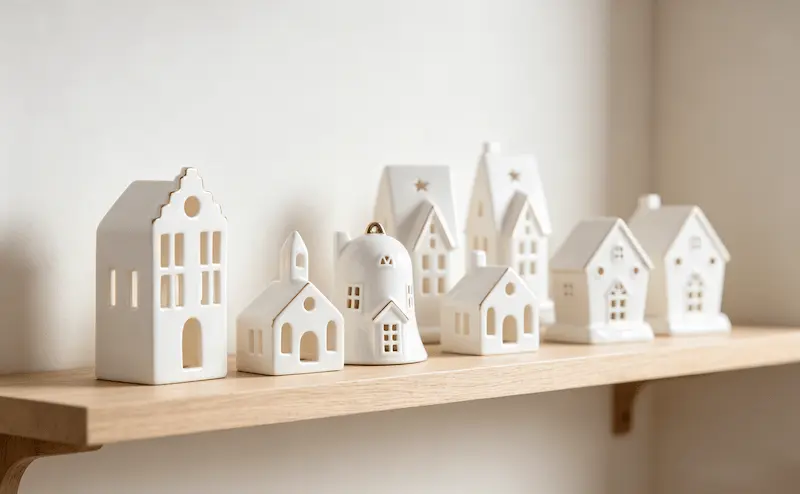
Within this framework, ceramic products deliver strong commercial value due to their consistency, durability, and premium visual positioning.
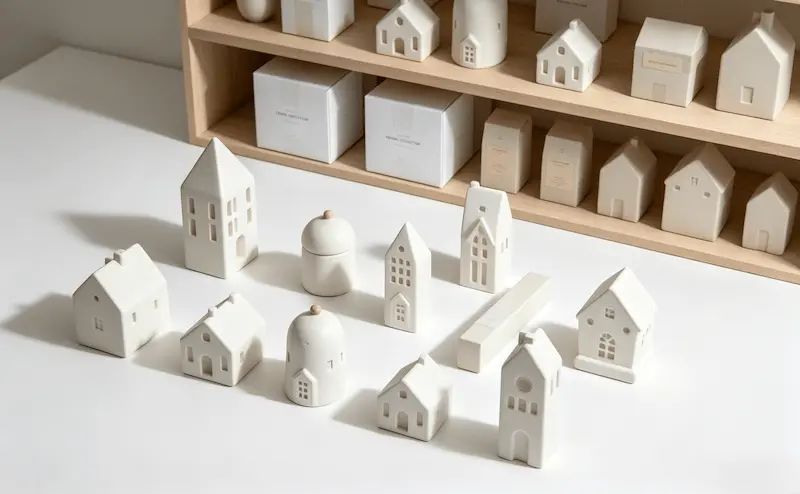
In particular, the contemporary ceramic house sculpture category has become a high-performing SKU for lifestyle retailers and concept stores, as it fits seamlessly into modern home styling assortments.
At the same time, demand for a reliable minimalist ceramic house supplier has increased, as brands seek stable partners capable of long-term product continuity rather than one-off sourcing.
Expansion of Global B2B E-commerce Channels
The growth of modern ceramic house décor wholesale is strongly supported by digital transformation in global trade. B2B buyers are now sourcing directly from manufacturers through online catalogues, supplier websites, and procurement platforms.
This shift has significantly reduced dependency on traditional trading intermediaries, allowing buyers to:
- Compare factory pricing in real time
- Request OEM/ODM development directly
- Shorten procurement cycles
- Access wider product variety
For example, small and mid-sized retailers in Singapore, the UK, and the Middle East are increasingly sourcing ceramic décor directly from Asian manufacturers to improve margin control and product differentiation.
Suppliers such as Homey Ceramic support this model by offering structured wholesale workflows, fast sampling processes, and export-ready production systems.
If you are developing a new product line or looking to create exclusive designs for your brand, our custom ceramics service allows you to turn ideas into fully customised ceramic collections. From concept development and mould creation to glazing and packaging, we support B2B clients with flexible OEM/ODM solutions tailored to different market needs, helping you build unique, market-ready ceramic products with consistent quality and scalable production.
Cost Efficiency and Bulk Procurement Advantage
From a B2B perspective, cost efficiency is one of the most important reasons behind the growth of modern ceramic house décor wholesale.
Bulk purchasing allows buyers to:
- Reduce per-unit manufacturing costs
- Improve retail margin structure
- Maintain stable product pricing across seasons
- Optimise inventory turnover
For distributors and interior procurement teams, scalability is equally important. Large projects such as hotel furnishing or retail chain rollouts require consistent production batches of ceramic décor products.
A reliable minimalist ceramic house supplier ensures not only price advantages but also repeatable quality across multiple production cycles.
Product Innovation and Customisation Capability
The ceramic décor category has evolved significantly in recent years, moving beyond traditional ornaments into design-led collections suitable for global retail and hospitality use.
Today’s modern ceramic house décor wholesale market includes:
- Ceramic house sculptures for shelf styling
- Minimalist decorative objects
- Seasonal ceramic collections
- Interior styling accessories
- Private label product lines
Advanced glazing techniques, matte finishes, and hand-crafted textures have increased product differentiation, making ceramics highly suitable for brand development.
For B2B buyers, customisation is now a key requirement rather than an optional service. Through its dedicated , Homey Ceramic provides OEM and ODM development support, enabling brands to build exclusive product collections, including rustic-inspired ceramic house designs and private label series.
This capability is especially valuable for wholesalers and importers seeking long-term brand positioning in competitive retail markets.
Sustainability as a Procurement Standard
Sustainability is now a core purchasing criterion in B2B procurement decisions. Ceramic products are increasingly preferred over plastic or resin alternatives due to their durability, recyclability, and long product lifecycle.
Compared to synthetic décor materials, ceramics offer:
- Longer usage lifespan
- Lower environmental impact
- Higher perceived product value
- Better alignment with eco-brand positioning
This shift has further strengthened demand for modern ceramic house décor wholesale, especially in European and North American markets where sustainability regulations and consumer expectations are more stringent.
As a result, working with a stable minimalist ceramic house supplier has become essential for brands seeking to meet both regulatory and market-driven sustainability goals.
Influence of Digital Aesthetic Trends on B2B Demand
While social media is often associated with consumer behaviour, it also has a direct impact on B2B purchasing decisions.
Platforms such as Instagram, Pinterest, and TikTok shape:
- Retail product selection strategies
- Interior design trends for commercial spaces
- Visual merchandising standards
- Seasonal product planning
The popularity of curated interiors and “aesthetic lifestyle” content has significantly increased demand for visually consistent ceramic décor sets.
Within this context, contemporary ceramic house sculpture products are widely used in retail displays, showroom styling, and lifestyle branding campaigns.
For wholesalers, this means product selection is no longer purely functional—it must also perform visually in digital and physical merchandising environments.
Strong Demand from Hospitality and Commercial Projects
A major growth driver for modern ceramic house décor wholesale is the hospitality and real estate sectors.
Hotels, restaurants, cafes, and serviced apartments increasingly use ceramic décor to:
- Enhance interior ambience
- Create premium guest experiences
- Maintain consistent design themes
- Support branding and storytelling
Real estate developers and staging companies also rely on ceramic décor to improve property presentation during sales and marketing.
These industries typically require:
- Bulk procurement
- Consistent product batches
- Customised design options
- Reliable lead times
This makes experienced suppliers such as Homey Ceramic essential partners for commercial-scale projects.
For wholesale sourcing, buyers can explore product categories here:
Key Challenges in the B2B Ceramic Wholesale Market
Despite strong growth, the modern ceramic house décor wholesale sector faces several operational challenges:
1. Supply chain volatility
Shipping costs and logistics delays can impact project timelines and landed costs.
2. Quality consistency
Maintaining uniform glaze, colour, and finishing across large batches is critical for retail buyers.
3. Market competition
Increasing supplier density puts pressure on pricing and product differentiation.
For this reason, selecting a stable minimalist ceramic house supplier with strong production control systems is essential for long-term procurement success.
Future Outlook: Premiumisation and Customisation Growth
The future of modern ceramic house décor wholesale is moving toward premiumisation, design differentiation, and customised production.
Key trends include:
- Increased demand for OEM/ODM ceramic collections
- Growth of niche interior décor categories
- Integration of digital design and rapid prototyping
- Expansion of private label home décor brands
For B2B buyers, this means sourcing is shifting from generic wholesale purchasing to strategic product development partnerships.
Manufacturers like Homey Ceramic are investing in design innovation and flexible production systems to support this evolution, particularly in customised rustic ceramic house and minimalist décor lines.
Conclusion
The rapid expansion of modern ceramic house décor wholesale is driven by structural changes in global interior design, digital procurement, and commercial demand cycles.
For B2B buyers, ceramics are no longer just decorative goods—they are scalable, brandable product assets used across retail, hospitality, and real estate markets.
Products such as contemporary ceramic house sculpture continue to gain traction due to their versatility and strong visual appeal, while demand for a reliable minimalist ceramic house supplier continues to rise globally.
For wholesalers, distributors, and interior brands, partnering with a capable manufacturer is now a strategic decision rather than a simple sourcing choice.
With strong OEM capabilities, global export experience, and flexible development support through its , Homey Ceramic is well-positioned to support long-term B2B growth.
If you are planning your next ceramic décor collection or looking for a reliable wholesale partner, now is the ideal time to explore opportunities in this fast-growing market.