 Introduction
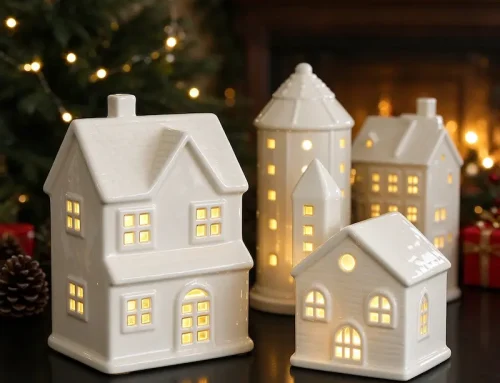
Small ceramic houses have become a popular choice for home décor retailers, gift shops, seasonal decoration stores, and lifestyle brands. Their charming designs, detailed craftsmanship, and ability to create warm storytelling displays make them attractive products for customers who want to add personality to their homes.
For retailers, choosing the right product sizes is just as important as selecting beautiful designs. A well-planned display with different heights, shapes, and proportions can immediately attract attention, encourage customers to explore more products, and increase purchase opportunities. On the other hand, choosing unsuitable sizes may result in crowded shelves, weak visual impact, or inefficient inventory management.
When sourcing small ceramic house wholesale collections, buyers need to consider more than just appearance. Size selection influences retail presentation, packaging efficiency, pricing strategy, and customer purchasing decisions. Working with an experienced ceramic manufacturer allows retailers to access flexible size options and create collections that match their market needs.
As a professional ceramic manufacturer, Homey Ceramic provides wholesale ceramic décor solutions for global retailers, including customized ceramic houses, seasonal decorations, and home accessories. With strong OEM capabilities and flexible production support, Homey Ceramic helps brands develop attractive ceramic house collections with the right sizes, styles, and finishes.
Understanding Small Ceramic House Wholesale Products
Small ceramic houses are decorative ceramic pieces designed to represent miniature buildings, cottages, villages, or architectural scenes. They are widely used in home decoration, seasonal displays, collectible décor collections, and gift product lines.
Unlike large decorative sculptures, small ceramic houses are easy to arrange, store, and ship. Their compact size makes them suitable for retailers with limited shelf space, online sellers, and stores that frequently update seasonal displays.
A typical small ceramic house wholesale collection may include:
- Traditional village cottages with classic roof designs
- Nordic-style ceramic houses featuring simple shapes and neutral colours
- Christmas village houses with windows, doors, and festive details
- Rustic farmhouse-style ceramic cottages
- Modern minimalist ceramic buildings for contemporary interiors
Many retailers prefer purchasing small ceramic house wholesale products because they can create complete decorative scenes by combining multiple designs. Customers are often attracted to collections rather than individual pieces, especially when the products can be mixed and matched to create a unique display.
For wholesalers and retailers, buying ceramic houses in bulk also provides advantages such as competitive pricing, consistent quality, and opportunities for private label development. Manufacturers like Homey Ceramic can support different market requirements through customized shapes, colours, patterns, and packaging solutions.
Retailers looking for a complete range of ceramic decorative products can explore Homey Ceramic’s collection as a trusted ceramic decoration suppiler for wholesale buyers.
Why Size Matters in Retail Merchandising
Size plays a key role in creating an attractive retail display. Even beautifully designed ceramic houses may not achieve strong sales results if they are displayed without considering proportion and visual balance.
The right combination of sizes creates a natural visual hierarchy. Larger pieces usually become focal points, while smaller pieces add details and encourage customers to look closer.
For example:
- Mini ceramic houses can attract customers through small decorative arrangements.
- Medium houses can become the main elements of a tabletop village display.
- Larger ceramic houses can create a strong centrepiece that draws attention from a distance.

Different sizes also influence customer perception. Smaller items often feel affordable and collectible, making them ideal for impulse purchases. Medium-sized pieces usually provide better value perception because customers see them as more decorative. Meanwhile, larger ceramic houses can create premium positioning and increase the average order value.
Retailers also need to consider available display space. A boutique shop may benefit from compact village arrangements, while a large home décor store may use a combination of small ceramic houses and large ceramic houses to create impressive seasonal installations.
Common Size Categories for Small Ceramic House Wholesale
When suppliers organize ceramic house collections, products are usually divided into several size categories. Understanding these categories helps buyers select the right assortment for their stores.
Mini Ceramic Houses
Mini sizes are among the most popular choices for small ceramic house wholesale buyers. These pieces are usually designed for:
- Gift bundles
- Small shelf displays
- Window decoration accents
- Seasonal table arrangements
- Low-cost impulse purchases
Mini ceramic houses work especially well for retailers that want customers to purchase multiple pieces. A collection of five or ten small houses can create a charming village scene without requiring much display space.
They are also efficient for shipping because their compact dimensions reduce packaging requirements and transportation costs.
Medium Ceramic Houses
Medium-sized ceramic houses are the most versatile option for many retailers. They provide enough detail to attract attention while remaining easy to display.
These sizes are commonly used for:
- Dining table centrepieces
- Fireplace decorations
- Store display shelves
- Christmas village arrangements

For many home décor stores, medium sizes form the foundation of a ceramic house collection because they appeal to a wide range of customers.
Larger Decorative Ceramic Houses
Although the focus is on small ceramic house wholesale collections, larger designs also play an important role in retail displays.
Large ceramic houses are often used as statement pieces. They help create height variation and make displays more visually interesting. Many retailers combine small houses with large ceramic houses to build layered scenes.
This combination provides different scale options for village displays, allowing customers to imagine how the products can be arranged in their own homes.

How to Choose the Best Sizes for Your Store
Choosing the right sizes depends on your retail environment, customer profile, and sales strategy.
Consider Your Store Type
Different businesses require different size combinations.
Boutique and Gift Shops
Small and medium ceramic houses are usually the best choice for boutique stores. They allow flexible arrangements and support customers looking for affordable decorative gifts.
Home Décor Retailers
Home décor stores can benefit from a wider size range. Combining mini houses, medium designs, and larger statement pieces creates a professional display that encourages customers to purchase multiple items.
Online Retailers
Online sellers should consider product photography and shipping efficiency. Small ceramic houses with clear size descriptions and collection options are easier for customers to understand and purchase online.
Match Sizes with Customer Preferences
Understanding your target market helps determine the ideal product mix.
Customers who enjoy seasonal decorating may prefer multiple small houses to build Christmas village scenes. Customers interested in premium home styling may prefer fewer but larger decorative pieces.
A balanced wholesale order usually includes:
- 40–50% small accent pieces
- 30–40% medium display pieces
- 10–20% larger statement designs
This approach provides variety while reducing inventory risks.
Align Sizes with Seasonal Trends
Seasonal themes strongly influence ceramic house sales. Christmas villages remain one of the most popular applications, but ceramic houses are also increasingly used for year-round home décor.
Popular trends include:
- Minimalist white ceramic villages
- Scandinavian-inspired winter scenes
- Rustic countryside cottages
- Cozy farmhouse decorations
- Modern neutral-tone home accessories
Choosing multiple sizes allows retailers to refresh displays for different seasons and customer preferences.
Display Strategies for Different Sizes
A successful ceramic house display should tell a visual story. The combination of different sizes creates depth and makes products more appealing.

Use Layering Techniques
Layering is one of the most effective ways to display ceramic houses. Place smaller houses in the front and larger houses behind them to create a village effect.
For example:
- Mini houses placed around the edges
- Medium houses positioned in the centre
- Larger houses used as background focal points
This arrangement creates depth and helps customers notice every product.
Group Products by Theme and Colour
Retail displays become more attractive when products share a consistent theme.
Retailers can group ceramic houses by:
- White winter colours
- Natural farmhouse tones
- Christmas red and green accents
- Modern minimalist styles
A cohesive display helps customers imagine the products as part of their own home décor.
Use Lighting and Space Effectively
Small ceramic houses often feature windows, doors, or cut-out details. Soft lighting can highlight these features and create a warm atmosphere.
Avoid placing too many pieces together. Proper spacing allows each product to be appreciated and prevents the display from looking crowded.
Inventory Planning for Wholesale Buyers
Effective inventory planning is essential when purchasing small ceramic house wholesale products.
Retailers should avoid stocking only one size. A single-size collection may look repetitive and limit customer choices.
A better approach is to create a balanced assortment:
- Different heights
- Various architectural styles
- Multiple price points
- Complementary designs
Working with a flexible manufacturer makes this process easier. Homey Ceramic supports customized collections where buyers can select different shapes, sizes, colours, and packaging options.
For retailers launching a new collection, starting with several popular sizes can help test customer demand before expanding the product range.
Tips for Working with Small Ceramic House Wholesale Suppliers
Choosing the right supplier is important for maintaining quality and consistency.
Before placing an order, retailers should ask suppliers about:
Size Specifications
Reliable suppliers should provide accurate product dimensions, weight information, and packaging details. Consistent sizing is especially important when creating village displays.
Mixed-Size Collections
Ask whether the supplier can provide mixed-size sets. This allows retailers to create complete displays without purchasing too many individual designs.
Customization Options
Private label retailers often need unique designs that match their brand identity. Homey Ceramic offers a professional custom ceramics service to help customers develop customized ceramic houses, including shape development, colours, finishes, and packaging.
Packaging and Shipping
Ceramic products require careful protection during transportation. Experienced suppliers should provide export-quality packaging solutions to reduce damage risks.
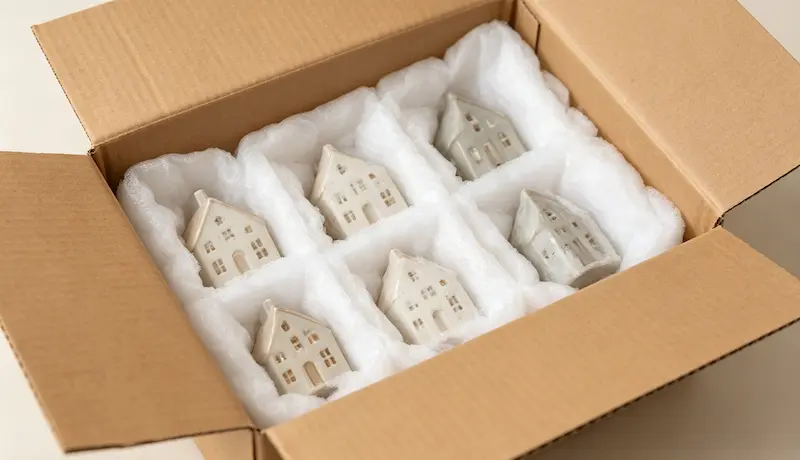
Homey Ceramic has years of experience supplying ceramic products to international markets and provides reliable production management, quality control, and customized solutions for wholesale buyers.
SEO and Retail Trends to Watch
The demand for small decorative products continues to grow as customers look for affordable ways to personalise their living spaces.
Several trends are influencing ceramic house sales:
Growing Demand for Small-Space Décor
Modern consumers increasingly prefer compact decorations that work well in apartments and smaller homes. Small ceramic houses fit this trend because they provide decorative value without taking up much space.
Seasonal Home Styling
Christmas villages and winter-themed decorations remain strong retail categories. Customers enjoy creating personalised holiday displays using collections of ceramic houses.
Online Retail Growth
As more consumers shop online, retailers need products that are easy to photograph, describe, and ship. Small ceramic houses are ideal for e-commerce because they are visually attractive and suitable for collection-based sales.
Manufacturers that offer flexible customization and reliable supply chains can help retailers respond quickly to changing market trends.
Conclusion
Selecting the right sizes is one of the most important decisions when purchasing small ceramic house wholesale products. The right combination of mini, medium, and larger designs creates attractive displays, improves customer experience, and increases sales opportunities.
Retailers should consider their store type, customer preferences, seasonal trends, and available display space before choosing their ceramic house collection. Using different sizes together creates better visual storytelling and allows customers to build their own decorative villages.
As an experienced ceramic manufacturer, Homey Ceramic provides wholesale ceramic house solutions with flexible sizing, customized designs, and professional production support. Whether you need classic village houses, modern decorative pieces, or custom small ceramic house collections, Homey Ceramic can help bring your ideas to life.
Contact Homey Ceramic today to discuss your wholesale requirements and request a quote for your customized ceramic house collection. With the right supplier partner, your ceramic décor products can become attractive bestsellers in your market.